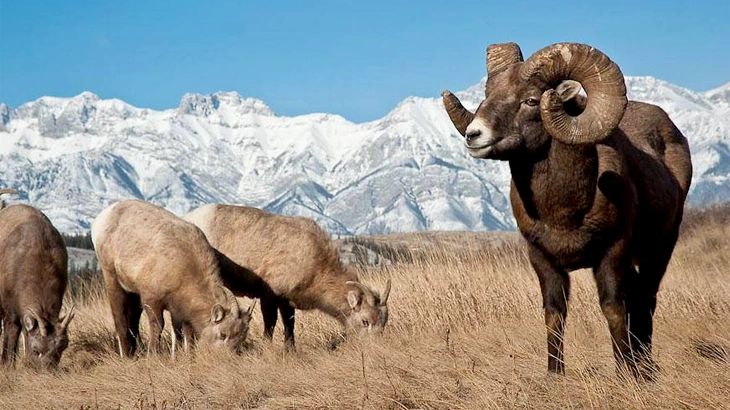
Bighorn Sheep in August
Introduction
August is a transitional month for Bighorn Sheep across North America. With summer nearing its end, herds prepare for upcoming seasonal shifts in food availability, habitat use, and behavior. For hunters, naturalists, and wildlife enthusiasts, this month offers a unique opportunity to observe these animals in alpine and rugged mountain terrain before the fall rut begins.
Bighorn Sheep are one of North America’s most iconic big game species, valued for their impressive horns, resilience in harsh landscapes, and significance in conservation history. Understanding their activity in August helps hunters plan scouting trips, while naturalists can gain insights into the delicate balance these animals maintain within their ecosystems.
Behavior and Biology
Feeding and Movement
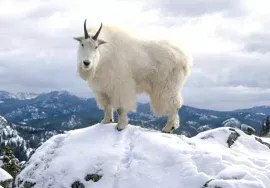
In August, Bighorn Sheep continue to forage on alpine meadows, feeding on grasses, sedges, and forbs that remain abundant during late summer. Their movements are typically concentrated in higher elevations, where cooler temperatures and rich forage persist. Rams and ewes remain in separate groups, with rams often roaming wider ranges.
Social Structure
Ewes and lambs form stable nursery groups during this time, while rams gather in bachelor herds. Social interactions are less intense compared to the fall rut, but rams still engage in light sparring, preparing for the dominance battles of the breeding season. Lambs born earlier in spring are now stronger, learning survival behaviors from their mothers.
Adaptations
August requires careful adaptation to shifting forage conditions and the approach of harsher weather. Bighorn Sheep utilize their agility to access steep cliffs and rocky slopes, minimizing predation risk from mountain lions, coyotes, and golden eagles. Their specialized hooves allow them to thrive in environments few predators can reach.
Hunting Activity
Seasonal Opportunities
In many regions, August marks the beginning of early Bighorn Sheep hunting seasons, particularly in parts of the Rocky Mountains and certain western states. Tags are highly restricted and often require years of preference points or special lottery draws. Hunters who secure a permit face one of the most challenging and rewarding pursuits in North America.
Hunting Methods
Spot-and-stalk is the most common method, requiring extensive scouting, glassing, and physical endurance in high elevations. Ethical considerations play a vital role, as hunters are urged to select mature rams to support sustainable herd management. Specialized optics, durable boots, and lightweight gear are essential for navigating rugged terrain.
Regulations
Because populations are carefully managed, strict regulations apply. Hunters must be familiar with unit-specific boundaries, tag restrictions, and mandatory reporting requirements. Conservation-driven management ensures long-term stability of herds, making compliance crucial.
Ecological Role
In August, Bighorn Sheep continue shaping their alpine ecosystems through grazing, which helps maintain plant diversity and prevents overgrowth. As prey animals, they play a role in sustaining predator populations. Their seasonal movement patterns also influence the distribution of nutrients across high-mountain landscapes.
Regional Differences
Across the western United States, August conditions vary. In the Rocky Mountains, sheep remain at higher elevations where alpine forage is still plentiful. In desert regions like Nevada and Arizona, sheep rely on limited water sources and more sparse vegetation, often traveling greater distances between feeding and watering sites. These differences influence both survival strategies and hunting approaches.
Practical Tips
- For hunters: Prioritize scouting trips in early August to locate herds before the rut disperses them into more remote areas.
- For wildlife watchers: Use spotting scopes to observe nursery groups from a distance without causing disturbance.
- For naturalists: Track vegetation cycles, as forage availability directly shapes herd distribution and health.
Quick Reference Table
| Aspect | Details |
|---|---|
| Species | Bighorn Sheep |
| Month | August |
| Behavior | Feeding in alpine meadows, nursery groups stable, bachelor herds roam higher ranges |
| Hunting Activity | Early-season hunts in select western states, highly restricted tags |
| Hunting Season | Varies by state; some open in August |
| Regions | Rocky Mountains, Sierra Nevada, desert ranges of the Southwest |