
Moose in September
Introduction
September marks a critical period in the annual cycle of the North American moose (Alces alces). As temperatures begin to cool and daylight shortens, moose undergo behavioral changes that prepare them for the upcoming rut and the harsh winter months. This transitional month is of particular interest to hunters, wildlife observers, and naturalists due to increased moose activity and visibility in many regions.
During this month, moose begin to shift their feeding patterns, seeking nutrient-rich vegetation to build fat reserves for winter. Additionally, September is often the start of pre-rut behaviors in males, making them more active and observable. For hunters, this period presents opportunities for scouting and understanding moose movement before the peak hunting season.
Behavior and Biology
Feeding and Foraging
In September, moose primarily feed on shrubs, willow, birch, aquatic plants, and young tree shoots. Their foraging is influenced by the availability of food sources and preparation for the upcoming rut. Males and females adjust their diet slightly, with males focusing on higher-protein vegetation to support antler growth and energy reserves.
Movement and Social Behavior
Moose are largely solitary animals, though mothers remain with calves. September is a period of increased mobility, particularly for males starting to range more widely in search of mates. These movements can lead moose closer to open areas and waterways, increasing their visibility to hunters and wildlife enthusiasts.
Reproduction and Pre-Rut Activity
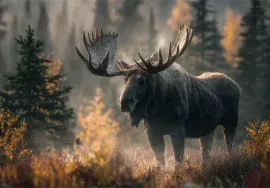
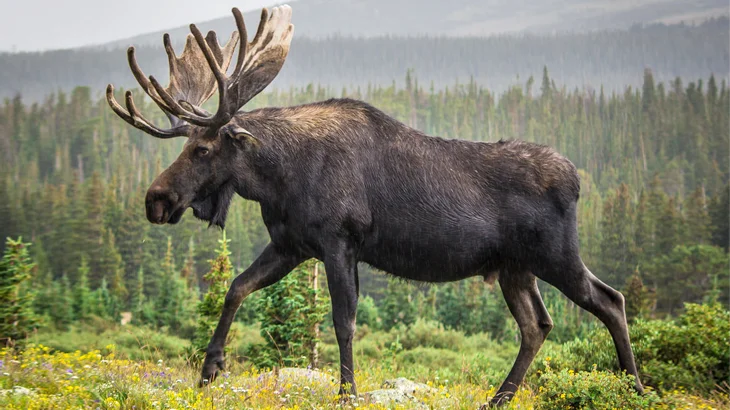
Male moose begin exhibiting early signs of pre-rut behavior in September, including antler rubbing, increased vocalizations, and marking territories. Although peak rutting activity occurs in October, observing moose in September provides insights into their health, size, and dominance hierarchies.
Hunting Activity
Hunting Practices
September is typically used for scouting, tracking, and preparing for archery or rifle seasons in many states. Hunters use trail cameras, binoculars, and field observations to locate moose feeding areas and travel corridors. Legal hunting methods vary by region, but ethical practices include respecting seasons, following bag limits, and avoiding disturbance of females with calves.
Seasonal Considerations
While hunting in September may be limited or prohibited in some areas, it is an ideal month to identify prime hunting locations. Understanding moose behavior during this month, such as preferred feeding times, resting areas, and water access, can significantly improve success rates once the legal season opens.
Ecological Role
Moose play a crucial role in shaping North American ecosystems. By browsing shrubs and young trees, they influence plant community structure, promote biodiversity, and maintain healthy forest edges. Additionally, they serve as prey for apex predators such as wolves and bears. Observing their behavior in September highlights their role in nutrient cycling and habitat dynamics as they interact with vegetation and other wildlife.
Regional Differences
Moose behavior in September can vary widely across the U.S. and Canada. In northern states such as Maine, Minnesota, and Alaska, moose are more visible in open wetlands and along river corridors. In mountainous regions like the Rockies, moose may seek lower-elevation valleys and riparian zones. Regional climate, human activity, and predator presence all influence movement patterns during this transitional month.
Practical Tips
- Use binoculars and spotting scopes to observe moose from a distance without causing disturbance.
- Scout feeding areas near wetlands, lakes, and rivers early in the morning or late in the evening.
- Record signs of antler rubbing or tracks to identify active males.
- Respect state and provincial hunting regulations and avoid areas with females and calves if not permitted.
- Take note of seasonal plant availability, as it influences moose movement and habitat preference.
Quick Reference Table
| Aspect | Details |
|---|---|
| Species Name | Moose (Alces alces) |
| Month | September |
| Behavior | Pre-rut activity, increased mobility, feeding on nutrient-rich vegetation |
| Hunting Activity | Scouting and observation; limited hunting in some regions |
| Hunting Season | Varies by state; full archery/rifle season often starts in October |
| Regions | Maine (ME), Minnesota (MN), Alaska (AK), New Hampshire (NH), Michigan (MI), Montana (MT), Wyoming (WY) |