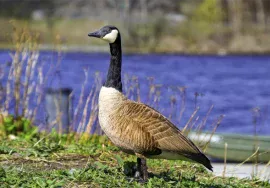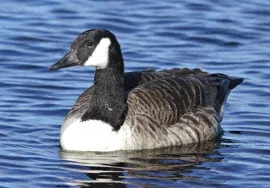

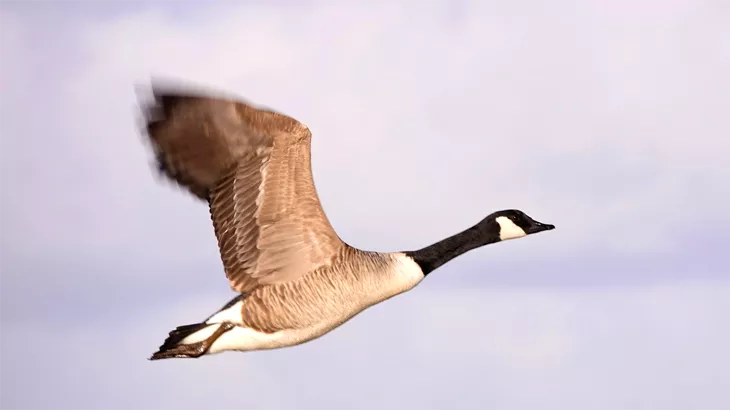
Canada Goose in September
Introduction
September marks a pivotal month for the Canada Goose across North America. As temperatures cool and daylight shortens, these iconic waterfowl begin shifting their behavior in preparation for fall migration. For hunters, naturalists, and wildlife enthusiasts, September offers one of the best opportunities to observe and understand the species’ seasonal rhythms.
Canada Geese are renowned for their V-shaped migration formations, distinctive honking calls, and adaptability to varied habitats. Their seasonal movements in September are a key focus for conservationists, birders, and regulated hunting programs alike.
Behavior and Biology
Migration Patterns
In September, many northern populations of Canada Geese start their southward migration. Staging areas (large bodies of water or open fields) become crowded as birds gather in flocks to build energy reserves for long flights. Local populations may remain resident, but the migratory instinct dominates this month.
Feeding and Adaptation
During September, Canada Geese intensify feeding on agricultural grains, grasses, and aquatic plants. High-energy food sources help them build fat reserves for migration. Their adaptability to farmland and urban green spaces makes them highly visible across the continent.
Breeding Status
By September, the breeding season is over. Goslings are fully feathered juveniles capable of flight and often accompany adults during initial migration stages. Family groups may merge into larger flocks to increase safety and efficiency during travel.
Hunting Activity
Seasonal Timing
September often coincides with early Canada Goose hunting seasons in many U.S. states. These special seasons target abundant resident populations before major migratory waves arrive. Hunters must check state-specific regulations for dates, bag limits, and licensing requirements.
Methods and Gear
Waterfowl hunters in September typically use decoys, blinds, and calls to attract geese. Field setups in harvested grain fields can be especially productive, while water-based setups near lakes and rivers also yield success. Non-toxic shot is mandatory nationwide for waterfowl hunting.
Ethical Considerations
Responsible hunting involves knowing your target species, using well-trained retrievers to recover downed birds, and respecting private property and no-hunting zones. Limiting disturbance to non-target flocks helps maintain healthy populations.
Ecological Role in September
Canada Geese contribute to seed dispersal and nutrient cycling through their feeding habits. In September, as they forage heavily, they also serve as prey for raptors and coyotes, maintaining natural predator-prey dynamics. Their droppings fertilize soils, which can benefit wetlands and agricultural areas alike.
Regional Differences
In northern states like Minnesota and North Dakota, Canada Geese are beginning their migration, creating large staging flocks. In mid-latitude states such as Ohio or Pennsylvania, both resident and migratory birds overlap, offering abundant hunting and observation opportunities. Southern states may still see only small numbers, with larger influxes arriving later in fall.
Practical Tips
- For hunters: Scout fields and water bodies before hunting to identify flight paths and feeding areas. Early morning and late afternoon flights are often most active.
- For birders: Look for large gatherings at refuges or lakes; September is ideal for photography as geese are in prime plumage.
- For land managers: Consider coordinating with wildlife agencies if local goose numbers are high to balance habitat use and reduce crop damage.
Quick Reference Table
| Aspect | Details |
|---|---|
| Species Name | Canada Goose |
| Scientific Name | Branta canadensis |
| Month | September |
| Behavior | Beginning fall migration, increased feeding, family groups join larger flocks |
| Hunting Activity | Early seasons open in many states; decoy and call strategies effective |
| Hunting Season | State-specific early goose seasons (check regulations) |
| Regions | Widespread across North America; northern states see staging flocks, mid-latitudes host both residents and migrants |