Canada Goose in October
Introduction
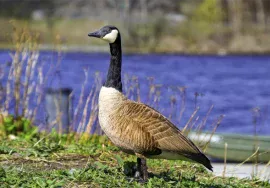
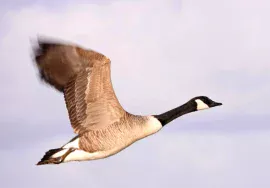
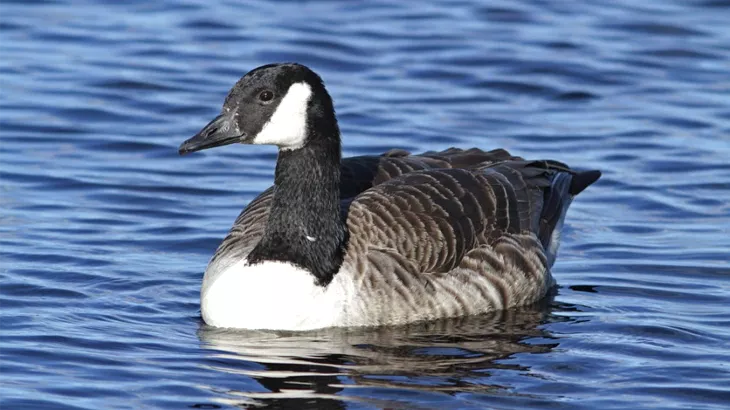
October marks a pivotal month for the Canada Goose, one of North America’s most recognizable waterfowl species. As cooler temperatures sweep across the continent, large flocks begin their impressive southward migrations, filling the skies with the unmistakable “V” formations and resonant honking calls. For hunters, birdwatchers, and naturalists alike, October offers prime opportunities to observe or pursue these adaptable birds.
During this time, Canada Geese are transitioning between northern breeding grounds and southern wintering habitats. This movement not only makes them highly visible but also influences hunting seasons and strategies. Understanding their behavior in October is crucial for ethical hunting and effective conservation.
Behavior and Biology in October
Migration Patterns
October is peak migration season for Canada Geese across most of North America. Birds from northern breeding grounds in Canada and Alaska travel to the central and southern United States, with some reaching as far as Mexico. Migratory movements depend on weather conditions, daylight hours, and food availability.
Feeding and Energy Needs
During migration, geese feed heavily on agricultural grains, grasses, and aquatic vegetation to build fat reserves for long flights. Cut cornfields, harvested grain areas, and marsh edges become prime feeding grounds. This high-energy diet supports their extensive travel and prepares them for colder months.
Social Structure
Canada Geese travel in family groups within larger flocks. Experienced adults lead younger birds along traditional flyways. Their cooperative behavior and strong family bonds improve survival during migration and at stopover sites.
Hunting Activity in October
When and How to Hunt
October coincides with early or mid-season goose hunts in many states. Because migratory geese are moving through new regions, hunters may experience higher success rates. Effective hunting involves scouting feeding fields, using realistic decoy spreads, and employing calls that mimic migratory flocks.
Equipment and Ethical Considerations
Common gear includes 12-gauge shotguns, non-toxic shot, blinds, and quality camouflage. Hunters should focus on clear shots at birds within range and follow all bag limits. Ethical hunting preserves the resource for future seasons and maintains healthy populations.
Seasonal Regulations
Hunting regulations vary by state and flyway. Some areas have split seasons or special permits for early and late migratory periods. Always check the latest regulations from state wildlife agencies before heading into the field.
Ecological Role in October
Canada Geese play an important ecological role during their fall migration. They transport seeds between regions, fertilize wetland and agricultural soils, and serve as prey for predators such as eagles and coyotes. Their grazing can influence vegetation dynamics in stopover habitats, benefiting some plant species while challenging others.
Regional Differences
Geese in the Atlantic Flyway (Northeast and Mid-Atlantic states) may arrive earlier in October, while those in the Central and Mississippi Flyways peak later in the month. In southern states like Texas, Oklahoma, and Louisiana, October may mark the first influx of northern migrants. Local resident populations can also blend with migratory flocks, changing the composition of birds in hunting areas.
Practical Tips
- Scout Early: Locate active feeding fields at dawn or dusk to plan hunts or observation sessions.
- Adjust Decoys: Use larger decoy spreads in October to replicate migrating flocks rather than small family groups.
- Monitor Weather: Cold fronts and wind shifts can trigger major migration days—prime time for both watching and hunting.
- Respect Limits: Follow all hunting regulations and avoid disturbing resting flocks to support conservation.
Quick Reference Table
| Aspect | Details |
|---|---|
| Species Name | Canada Goose |
| Month | October |
| Behavior | Peak migration southward; heavy feeding in fields and wetlands |
| Hunting Activity | Early/mid-season hunts with decoy spreads and calls |
| Hunting Season | Varies by state; check local regulations |
| Regions | All major U.S. flyways; first arrivals in southern states |