Canada Goose in November
Introduction
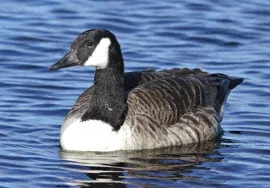
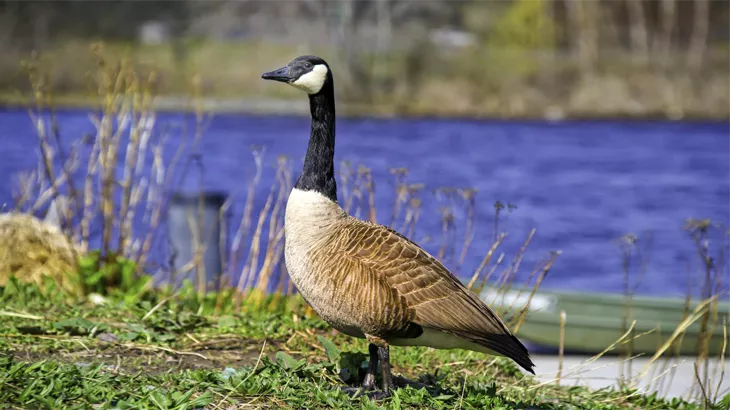
November is a pivotal month for Canada Geese across North America. As colder weather sets in, massive flocks migrate southward, creating one of the continent’s most iconic wildlife spectacles. For hunters, naturalists, and wildlife photographers, November offers prime opportunities to observe and ethically pursue these large migratory waterfowl.
By November, most breeding activities are complete and Canada Geese focus on building fat reserves and traveling to wintering grounds. This month bridges the peak migration and many states’ open hunting seasons, making it essential for anyone interested in the species’ seasonal patterns.
Behavior and Biology
Migration and Movement
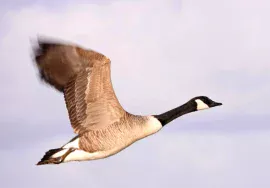
Canada Geese display their most dramatic migrations in November. Large V-shaped flocks cross skies from the northern U.S. and Canada toward milder southern regions. This migration is driven by freezing waters and dwindling food supplies in their breeding habitats. Depending on local weather, some populations remain in northern areas if open water persists.
Feeding and Adaptation
During November, geese shift feeding patterns to high-energy crops such as corn, wheat, and barley stubble left in harvested fields. They also graze on grasslands and wetland edges when available. This high-calorie diet fuels their long flights and sustains them through colder temperatures.
Social Structure
Flocks in November are large and diverse, often merging multiple family groups. The birds exhibit strong leadership patterns with experienced adults guiding migration. Vocal communication becomes more frequent as geese coordinate flights and feeding stops.
Hunting Activity
Season Timing and Regulations
November typically marks open Canada Goose seasons in many northern and midwestern states. Hunters should check regional wildlife agency regulations for bag limits, shooting hours, and permit requirements, as these vary by flyway and state. Special conservation or late seasons may also apply in some areas.
Methods and Equipment
Successful November hunts rely on scouting feeding fields, setting realistic decoy spreads, and using layout blinds for concealment. Calls imitating the deep honks of migrating flocks help attract passing birds. Shotguns with non-toxic shot (steel, bismuth, or tungsten) are required by federal law for waterfowl hunting.
Ethical Considerations
Hunters should avoid over-harvesting local flocks and ensure clean, quick kills. Retrieving downed birds promptly and respecting property boundaries where geese feed are also key ethical practices.
Ecological Role
Even in November, Canada Geese continue to shape wetland and agricultural ecosystems. By grazing and uprooting vegetation, they influence plant succession and nutrient cycling. Their droppings fertilize soils, while their presence provides prey for eagles, coyotes, and other predators following migration routes. The birds also redistribute seeds between habitats during flights.
Regional Differences
In the Atlantic Flyway (Eastern U.S.), geese are already concentrated on coastal marshes and inland lakes by November. In the Mississippi and Central Flyways, massive flocks still pass through the Midwest, staging on rivers and reservoirs. Western populations may remain in mountain valleys or Pacific wetlands longer due to milder weather. These differences impact both observation and hunting strategies.
Practical Tips
- For hunters: Scout agricultural fields at dawn and dusk to locate feeding areas. Match decoy spreads to the size of actual flocks for realism.
- For birders and photographers: Seek large reservoirs, wildlife refuges, and river valleys where migrating geese congregate. Early morning offers the most dynamic flight activity.
- For land managers: November is a good time to coordinate with local wildlife agencies about managing goose impacts on crops or wetland vegetation.
Quick Reference Table
| Aspect | Details |
|---|---|
| Species | Canada Goose |
| Month | November |
| Behavior | Peak southward migration, high-energy feeding in harvested fields, large mixed flocks |
| Hunting Activity | Prime hunting season in many states; decoying and calling effective |
| Hunting Season | Varies by state and flyway; check local regulations |
| Regions | Atlantic, Mississippi, Central, and Pacific Flyways across the U.S. |