
Gray Wolf in August
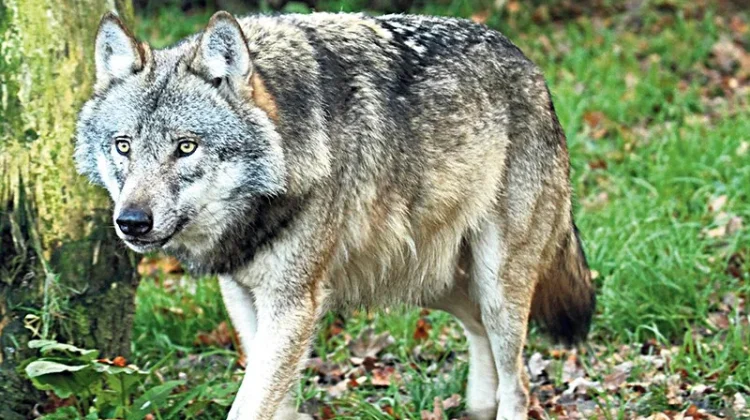
August marks a period of transition in the seasonal life of the gray wolf (Canis lupus) across North America. By this time, adult wolves have typically completed their summer molt, revealing a sleeker coat better suited for the remaining warm weeks and the coming autumn. Meanwhile, wolf pups, born in spring, remain near the den. Still too young to hunt effectively, they rely on adult pack members for food and protection.
Increased Hunting Activity by Adults
To meet the growing nutritional demands of the rapidly developing pups, adult wolves become more active in hunting. They often travel long distances from the den, expanding their hunting range significantly. This behavior creates a broad hunting ring around the den site, where signs of predation, such as scattered livestock remains, may appear. Ironically, areas closest to the den are often spared from direct attacks on livestock, as wolves instinctively avoid attracting attention to their pups’ location.
In regions where wolves coexist with livestock, conflicts tend to intensify in August. Wolves may prey on young sheep and calves, especially in areas with poor fencing or unattended pastures. Ranchers and wildlife managers frequently report increased depredation during this time, particularly in the Northern Rockies, Great Lakes, and parts of the Pacific Northwest.
Seasonal Prey in Wild Landscapes
In Arctic and subarctic biomes, particularly in tundra and boreal forest regions, wolves shift their focus toward moulting waterfowl, especially young geese that have not yet fledged. In Alaska and parts of northern Canada, migratory birds like snow geese and tundra swans become vulnerable targets for family groups.
In areas where caribou (reindeer) herds overlap with wolf territories, juvenile caribou can also fall prey. These predation patterns help regulate ungulate populations and maintain ecological balance, but they also bring wolves into conflict with indigenous herders and wildlife stewards in some regions.
Behavior and Vocalization
August also ushers in a distinct increase in vocalization behavior. Wolves begin howling regularly at dusk and dawn, particularly around dens, as a way to communicate with pack members and warn off intruders. This natural behavior also offers a strategic opportunity for researchers and wildlife photographers to locate and observe wolf packs during twilight hours using howling surveys or mimicry.
Hunting and Management in August
In certain U.S. states and Canadian provinces where regulated wolf hunting or lethal control programs exist, August can be a time for early-season population management. With pups now mobile and capable of short chases, traditional hound-assisted hunts or drive hunts may be conducted in areas where wolf population control is allowed.
However, most states prohibit wolf hunting in August, either due to protections under the Endangered Species Act or specific seasonal restrictions intended to protect breeding pairs and young pups.
Quick Facts: Gray Wolf in August
- ✅ Molt Completed: Adults have finished shedding and wear a lighter summer coat.
- 👣 Pups Stay Close to Den: Still learning, they rely on the pack for food and safety.
- 🍖 Predation Increases: Livestock depredation rises in remote pasturelands.
- 🦢 Wild Prey Shift: Wolves target molting waterfowl and juvenile ungulates.
- 🌕 Howling Returns: Evening howls increase, aiding territory marking and communication.
- 🛑 Hunting Regulations: Most regions limit or prohibit wolf hunting in summer months.
This dynamic phase in the wolf’s annual cycle illustrates their complex social behavior, adaptability to different environments, and role as top predators in North American ecosystems.