
Introduction
The wolverine (Gulo gulo) is one of North America’s most elusive and powerful carnivores. Known for its tenacity, strength, and remarkable adaptability, this species inhabits some of the continent’s most rugged and remote landscapes. Its reputation as a fierce predator and scavenger has made it a symbol of wilderness resilience and an important focus for wildlife researchers.
For hunters, naturalists, and wildlife enthusiasts, the wolverine represents both a challenge and a marvel. While direct hunting opportunities are strictly limited due to conservation concerns, understanding the animal’s habits and habitat is essential for those interested in ethical trapping, backcountry travel, or wildlife photography. This guide explores the wolverine’s characteristics, seasonal behavior, ecological significance, and the management strategies in place to protect it.
Identification and Characteristics
Appearance
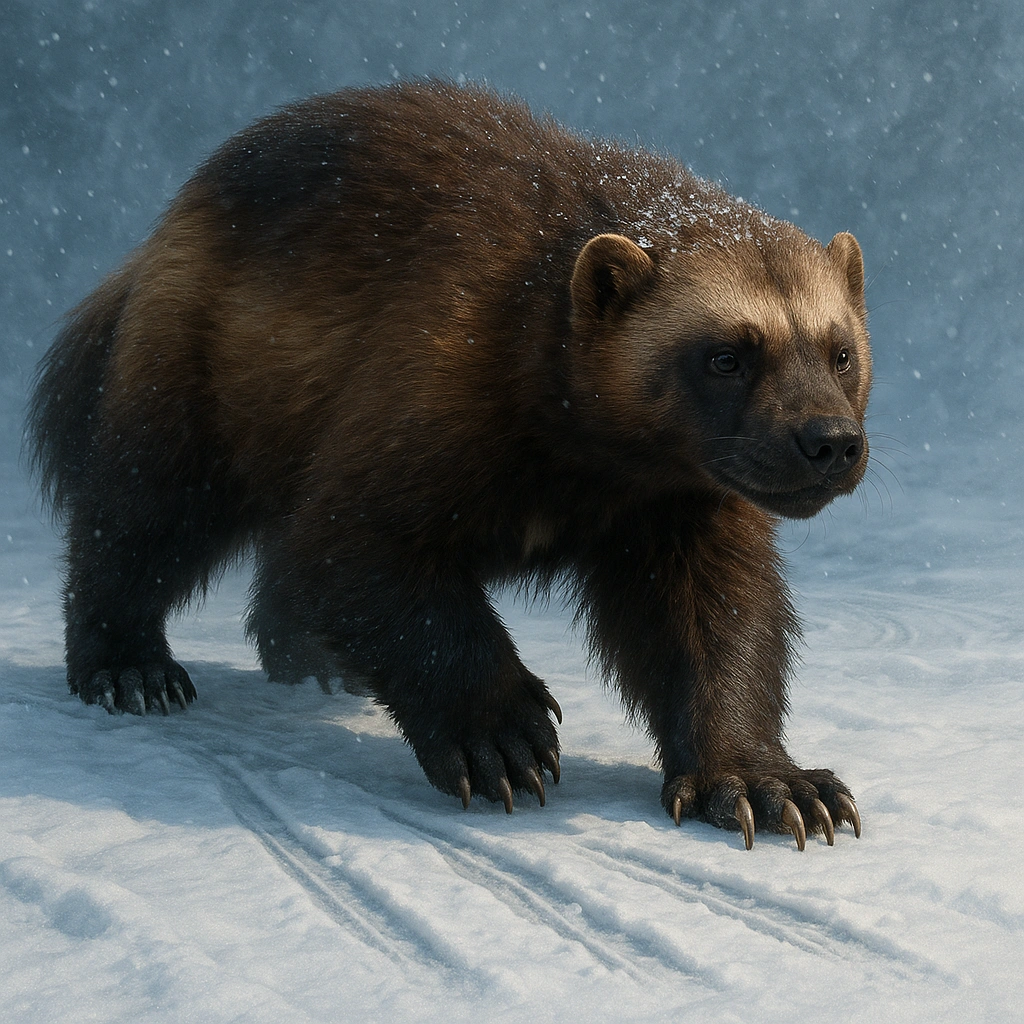
Wolverines resemble small bears but are actually the largest members of the weasel family. Adults typically measure 26–34 inches (66–86 cm) in body length with a bushy tail of 7–10 inches (18–25 cm). They weigh between 24–55 lbs (11–25 kg), with males being larger than females. Their thick, dark brown fur is accented by lighter brown or yellowish stripes running along each side, and their broad head, small rounded ears, and powerful limbs give them a distinctive, robust appearance. Equipped with sharp claws and strong jaws, wolverines are well adapted for digging, climbing, and consuming tough prey.
Behavior
Primarily solitary, wolverines cover vast territories, sometimes exceeding 200 square miles for a single adult male. They are opportunistic feeders, preying on small to medium-sized mammals and birds, while also scavenging carrion left by larger predators. Wolverines exhibit remarkable stamina, traveling long distances over snow and rugged terrain to find food. They breed in summer, but implantation of embryos is delayed until winter, ensuring kits are born in late winter or early spring when conditions are most favorable.
Habitat
Wolverines prefer remote, high-elevation habitats such as boreal forests, subalpine zones, and tundra. In North America, their range extends across Alaska, northern Canada, and into the northern Rocky Mountains and parts of the Pacific Northwest. They rely heavily on persistent snow cover for denning and food caching, which makes them sensitive to changes in climate and habitat fragmentation.
Hunting and Seasonality
Hunting Practices
Due to their low population density and conservation status in many regions, wolverine hunting is restricted or prohibited in most U.S. states and Canadian provinces. Where legal, such as certain remote areas of Alaska, regulated trapping seasons exist. These practices require ethical considerations, including the use of appropriate trap types, adherence to quotas, and reporting of harvests to wildlife agencies to ensure sustainable management.
Seasonal Activity
Wolverines remain active year-round and do not hibernate. In winter, they rely on snow for travel and food storage, while in summer and fall they may roam greater distances in search of prey and carrion. Breeding occurs in summer, but because of delayed implantation, females do not give birth until late winter. Understanding these seasonal dynamics is crucial for anyone involved in research, conservation, or regulated harvest activities.
Ecological Role
As apex scavengers and mesopredators, wolverines play a critical role in nutrient cycling. By consuming carrion and preying on weak or injured animals, they help control prey populations and recycle organic matter back into the ecosystem. Their caching behavior can also influence the distribution of nutrients and provide food sources for other scavengers.
Conservation and Management
Wolverine populations in North America are considered stable in some regions but declining or threatened in others, particularly in the contiguous United States. Climate change, habitat loss, and reduced snowpack pose significant threats to their survival. Wildlife management efforts include habitat protection, research on population dynamics, restrictions on harvest, and collaboration between government agencies, Indigenous groups, and conservation organizations to ensure the species’ long-term viability.
Monthly Guides
Explore our monthly wolverine guides to understand how this species behaves, feeds, and moves through its environment throughout the year. These posts also provide insights into management practices and seasonal fieldwork considerations.
Quick Reference Table
| Aspect | Details |
|---|---|
| Scientific Name | Gulo gulo |
| Category | Small Game & Furbearers |
| Typical Weight | 24–55 lbs (11–25 kg) |
| Habitat | Boreal forests, alpine tundra, and remote mountainous areas |
| Range | Alaska, Northern Canada, Northern Rockies, Pacific Northwest |
| Season | Active year-round; regulated trapping seasons in limited areas |
| Conservation Status | Stable in some regions, threatened in others |
Wolverine Hunting Information
For a full archive of hunting posts by month, visit the Wolverine Category.