
Introduction
Wild boar (Sus scrofa), also commonly known as feral hogs or wild pigs, have become one of the most notable and widespread invasive species across North America. Originally introduced from Europe and Asia, these resilient mammals have adapted remarkably well to the continent’s diverse landscapes. Today, they represent both an ecological challenge and an important focus for hunters, wildlife managers, and naturalists alike.
The significance of wild boar in North America cannot be overstated. For hunters, they provide year-round opportunities, often with liberal bag limits due to their overabundance. For naturalists, their behaviors and adaptability raise fascinating ecological questions, particularly concerning how non-native species integrate (or disrupt) existing ecosystems. For farmers and landowners, however, wild boars pose serious problems: crop damage, soil disturbance, and competition with native wildlife are just a few of the concerns tied to their explosive populations.
This article provides a comprehensive look at wild boar identification, behavior, seasonal activity, hunting practices, ecological role, and management strategies in North America. Whether you are a seasoned hunter, wildlife observer, or conservation-minded land steward, understanding the dynamics of this species is critical for responsible engagement with North America’s changing ecosystems.
Identification and Characteristics
Appearance
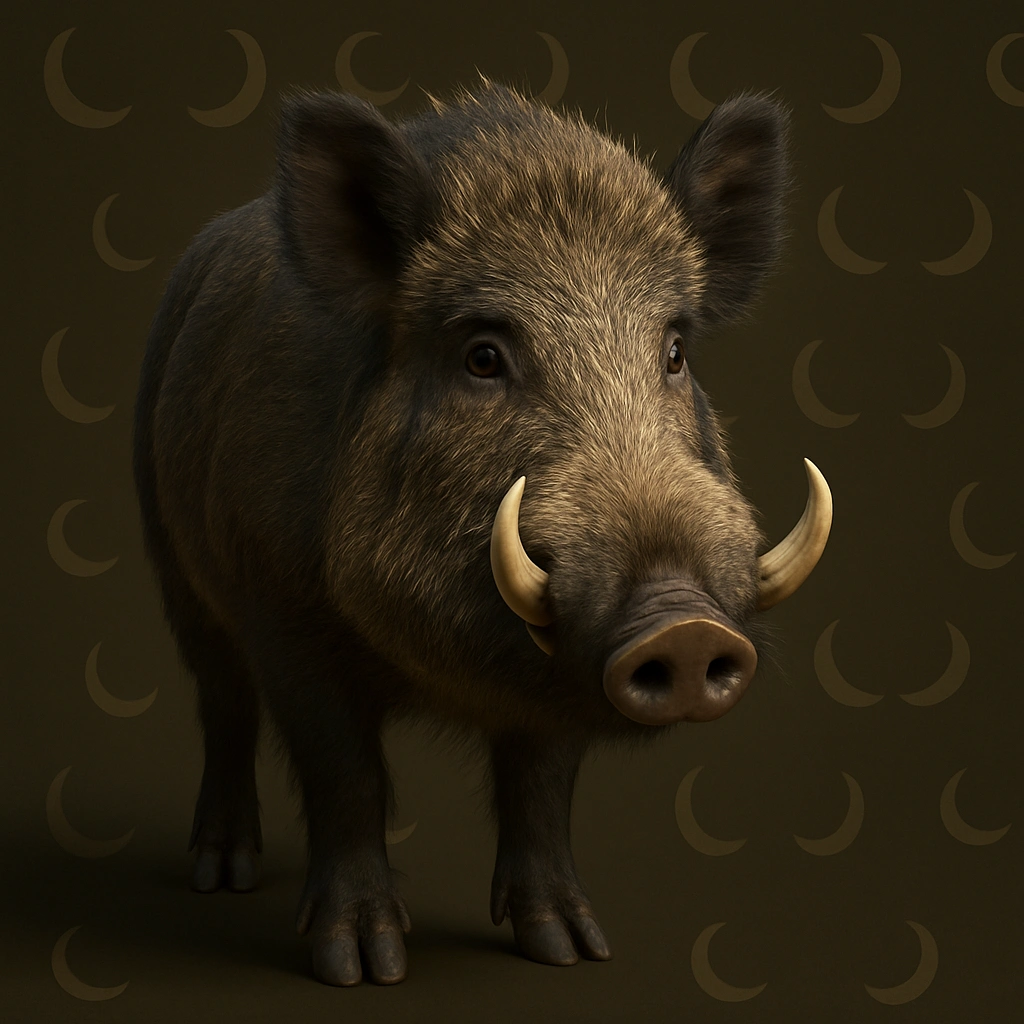
Wild boars are medium to large mammals with a stocky, muscular build and coarse, bristly fur that varies in color from black and brown to reddish or mottled gray. Adults typically weigh between 150 and 300 pounds (68–136 kg), although some mature males can exceed 400 pounds (181 kg). Distinctive features include their elongated snouts, sharp tusks, more pronounced in males, and a relatively short, straight tail. The tusks are used for digging and defense, making them one of the species’ most recognizable traits.
Behavior
Highly adaptable and intelligent, wild boars are opportunistic omnivores. Their diet ranges from roots, tubers, nuts, and fruits to small animals, carrion, and even agricultural crops. They are known for their rooting behavior, which involves digging through soil with their snouts to uncover food. Socially, they live in groups called sounders, usually composed of females and their offspring, while adult males are more solitary outside of breeding season. Despite their heavy build, wild boars are agile, capable of running quickly, swimming, and navigating dense vegetation.
Habitat
Wild boars thrive in a variety of environments, including forests, wetlands, grasslands, and agricultural regions. In North America, they are most abundant in the southeastern United States, Texas, California, and parts of the Midwest, but populations continue to expand northward. Their preference for areas with dense cover and access to water makes them particularly adaptable. Seasonal movements are generally localized, though food availability strongly influences their range and foraging patterns.
Hunting and Seasonality
Hunting Practices
Hunting wild boar is both a conservation necessity and a popular outdoor pursuit. Legal hunting methods vary by state but often include firearms, archery, and in some areas, trapping. Spot-and-stalk hunting, hunting with dogs, and baiting are common strategies. Due to their high reproduction rate and ecological impact, many states allow year-round hunting with no bag limits. Ethical considerations include ensuring quick, humane kills and respecting landowner permissions when hunting on private property.
Seasonal Activity
Unlike many native game species, wild boars are not strongly tied to a single seasonal breeding cycle. They can reproduce multiple times per year, with sows capable of birthing litters of 4–12 piglets. In summer and fall, they are particularly active around food sources such as acorns, crops, and soft mast. Winter drives them to seek shelter in dense cover, but their resilience allows them to remain active year-round. This makes them an unusual species for hunters: there is rarely a “closed” season, and population control efforts are continuous.
Ecological Role
As an invasive species, wild boars exert tremendous ecological pressure. Their rooting disturbs soil and vegetation, alters nutrient cycles, and damages wetlands. They compete with native wildlife for food and may prey on ground-nesting birds, reptiles, and amphibians. Furthermore, wild boars are vectors for diseases that can affect livestock, wildlife, and even humans. While they contribute to seed dispersal and provide prey for large predators such as mountain lions, their overall impact is largely negative, making them one of the most ecologically disruptive mammals in North America.
Conservation and Management
Because wild boars are invasive, conservation efforts focus less on preservation and more on population control. Wildlife agencies across the U.S. have implemented aggressive management strategies, including year-round hunting, trapping, and aerial gunning in some states. Despite these efforts, populations continue to expand due to high reproductive rates and adaptability. Effective management requires coordination between hunters, landowners, and wildlife professionals, along with public awareness of the risks posed by feral hogs.
Monthly Guides
For hunters and naturalists seeking in-depth, seasonal insights, we offer monthly guides detailing wild boar behavior, activity, and hunting opportunities. These guides cover how wild boar adapt to food availability, weather, and breeding cycles throughout the year, providing practical, timely knowledge for field applications.
Quick Reference Table
| Aspect | Details |
|---|---|
| Scientific Name | Sus scrofa |
| Category | Big Game |
| Typical Weight | 150–300 lbs (68–136 kg), males can exceed 400 lbs (181 kg) |
| Habitat | Forests, grasslands, wetlands, agricultural lands |
| Range | Primarily Southeastern U.S., Texas, California, expanding across the Midwest |
| Season | Year-round hunting, with peak activity in fall and winter |
| Conservation Status | Invasive, expanding populations |
Wild Boar Hunting Information
For a full archive of hunting posts by month, visit the Wild Boar Category.