
The white-tailed deer (Odocoileus virginianus) is one of the most iconic and widespread large mammals in North America. Known for its adaptability to diverse habitats, this species plays a central role in both natural ecosystems and hunting traditions across the United States.
General Characteristics
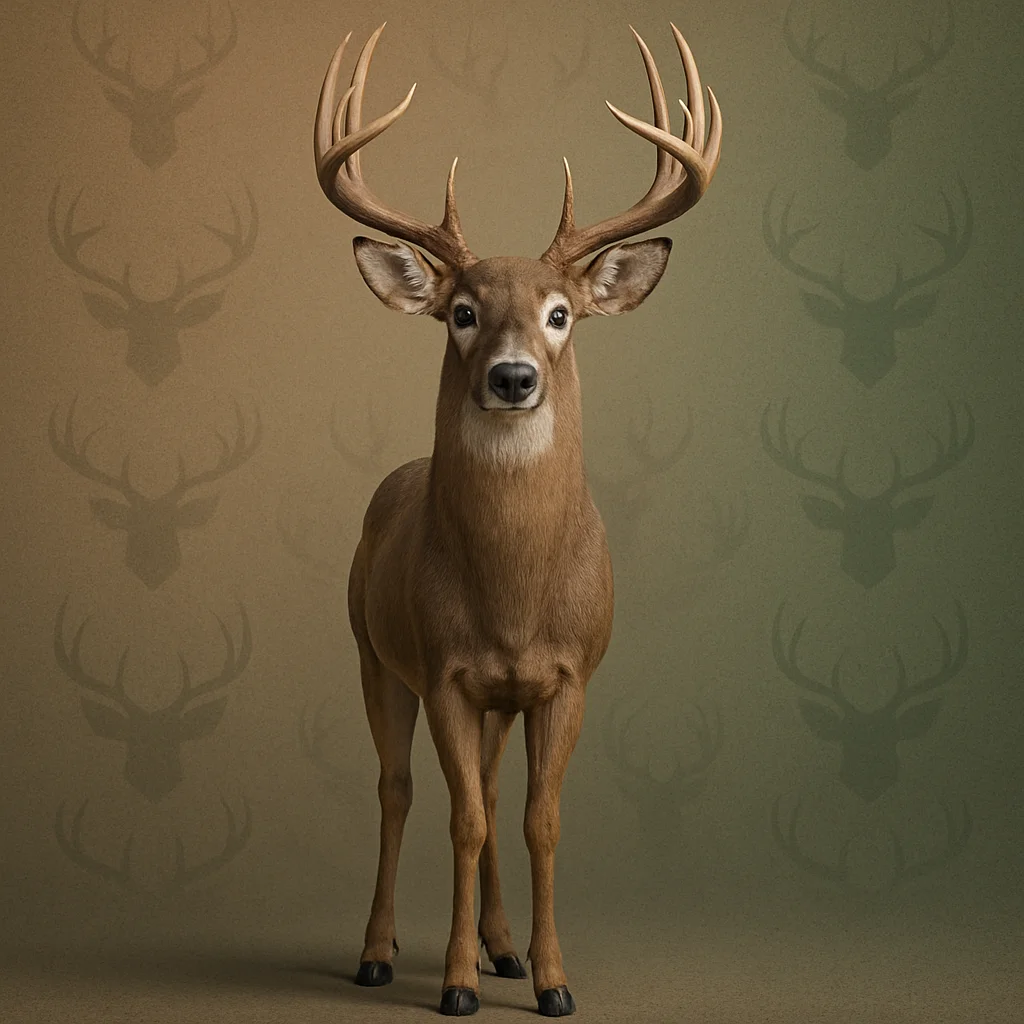
The white-tailed deer is named after its distinctive tail, which flashes upward to reveal a white underside when alarmed. Males (bucks) grow antlers annually, shedding them in winter and regrowing them in spring, while females (does) are generally smaller and antlerless.
- Average weight: 90–300 lbs, depending on sex and region
- Height at shoulder: 2.5–3.5 ft
- Lifespan in the wild: 6–14 years
- Diet: Primarily herbivorous, including grasses, acorns, shrubs, fruits, and agricultural crops
Habitat and Distribution
White-tailed deer thrive in a wide range of habitats — from forests and swamps to farmland edges and suburban green spaces. They are found throughout most of the United States, from dense northern woodlands to southern marshes and prairies.
- Preferred biomes: Temperate forests, grasslands, wetlands
- Range: Nearly all states except some desert areas of the Southwest and high-altitude alpine regions
Behavior and Ecology
Seasonal Adaptation
- Spring & Summer: Feeding on lush vegetation, antler growth in bucks, fawning season for does.
- Fall: Peak breeding season (the rut), bucks compete for mates, increased movement and visibility.
- Winter: Energy conservation, reliance on woody browse, antler shedding begins.
Ecological Role
- Acts as both prey (for predators like wolves, coyotes, and mountain lions) and as a keystone herbivore, shaping plant communities.
- Overpopulation in some areas leads to ecological imbalance, making hunting and management critical.
Hunting and Management
The white-tailed deer is the most hunted big game animal in North America, with regulated seasons and tag systems in place across states.
- Hunting methods: Archery, muzzleloader, modern firearms, stalking, and stand hunting
- Best seasons: Fall and early winter, aligning with rut and legal hunting frameworks
- Conservation impact: Responsible hunting helps manage populations, reduce crop damage, and maintain ecosystem balance
Regional Variations
- Northeast: Dense forest populations, often smaller body size but high density
- Midwest: Large agricultural populations, trophy-class bucks in states like Illinois, Iowa, and Ohio
- South: Adapted to warmer climates, often smaller body size but long breeding seasons
- West: Found in riparian areas and foothills, less dense populations compared to Midwest and East
Practical Notes for Observers and Hunters
- Look for fresh tracks and rubs during fall
- Deer are crepuscular — most active at dawn and dusk
- Does may appear with fawns in late spring and summer
- Winter herds gather near food sources and cover
Quick Reference Table
| Feature | Details |
|---|---|
| Species | White-tailed Deer (Odocoileus virginianus) |
| Category | Big Game |
| Average Weight | 90–300 lbs |
| Habitat | Forests, grasslands, wetlands, farmland edges |
| Breeding Season | Fall (Rut: October–December) |
| Antler Cycle | Growth in spring/summer, shedding in winter |
| Hunting Season | Varies by state (fall–winter) |
| Distribution | Most of the U.S., except extreme deserts and alpine zones |
Hunting Information
For a full archive of hunting posts by month, visit the
White-tailed Deer Category.