

Introduction
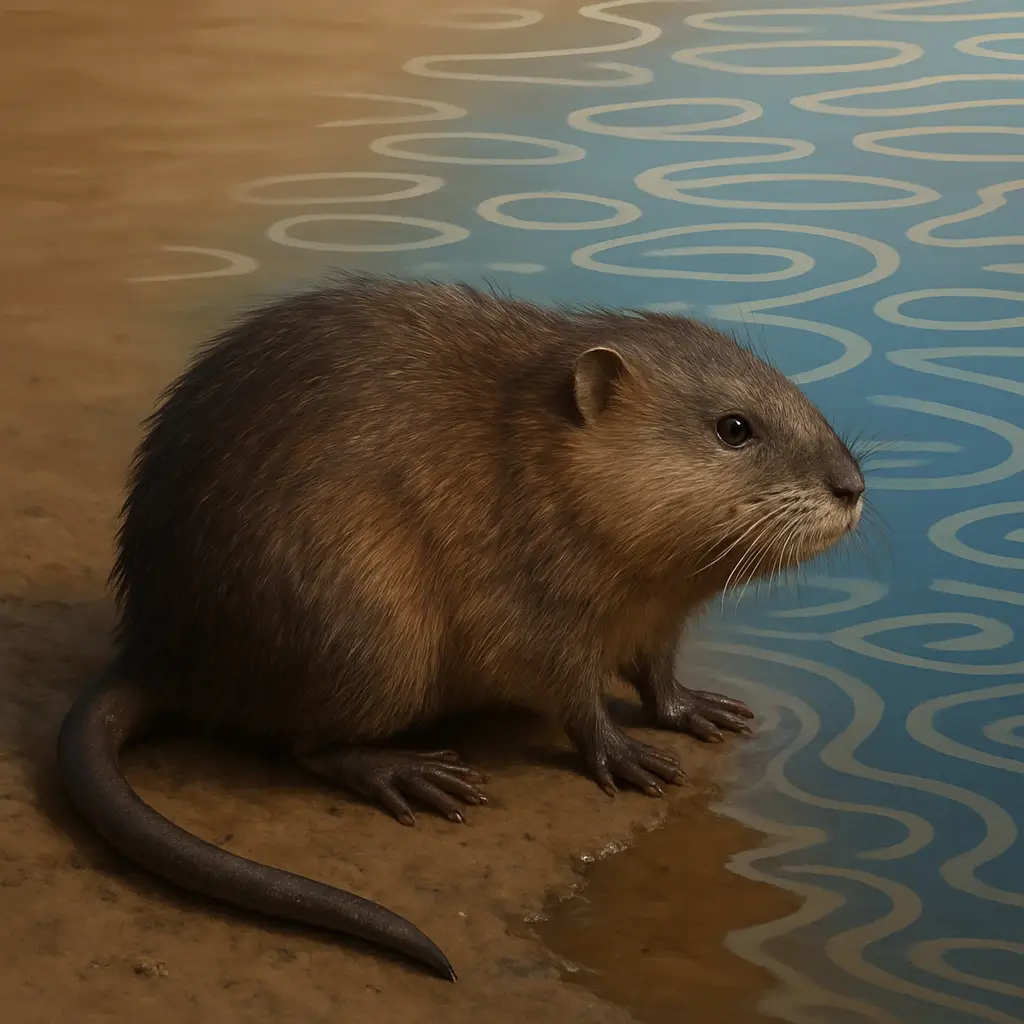
The muskrat (Ondatra zibethicus) is one of North America’s most recognizable wetland mammals, known for its semi-aquatic lifestyle, distinctive lodges, and important role in marsh ecosystems. Despite its modest size, the muskrat has played a significant part in the continent’s ecological, economic, and cultural history. It remains a key species for naturalists, trappers, and wildlife observers due to its adaptability, population resilience, and influence on wetland habitats.
For hunters and trappers, the muskrat represents a traditional and sustainable furbearer species. Its pelt has long been valued for durability and insulation, while its presence helps indicate the health of freshwater environments. To wildlife enthusiasts, the muskrat is an intriguing species whose behaviors (such as lodge-building, territorial scent marking, and aquatic foraging) reflect the complex dynamics of wetlands and river systems across the continent.
Understanding the muskrat’s biology, seasonal behaviors, and ecological importance helps promote responsible wildlife management. Whether observing them quietly at dusk, studying their impact on marsh hydrology, or participating in regulated trapping seasons, muskrats offer a fascinating glimpse into North America’s vibrant wetland ecosystems.
Identification and Characteristics
Appearance
Muskrats are medium-sized rodents weighing between 1.5 and 4 pounds (0.7–1.8 kg). They typically measure 16–25 inches (41–64 cm) from nose to tail, with their long, laterally flattened tail accounting for nearly half that length. Their fur is dense, waterproof, and dark brown to chestnut on the back, fading to lighter hues on the belly. This insulation allows muskrats to thrive in cold water environments.
The muskrat’s most distinctive physical traits include its:
- Flattened tail that acts as a rudder while swimming.
- Partially webbed hind feet adapted for propulsion.
- Large, continuously growing incisors used for cutting vegetation.
- Compact, streamlined body ideal for navigating dense aquatic vegetation.
Behavior
Muskrats are primarily nocturnal and crepuscular, becoming active around dusk and dawn. They are proficient swimmers capable of remaining underwater for 12–17 minutes. Their diet consists largely of aquatic vegetation (cattails, bulrushes, and pondweed) though they occasionally consume small animals like mollusks and crustaceans.
Socially, muskrats are semi-colonial, often living in close proximity to one another but maintaining individual feeding territories. They communicate through scent marking, tail slaps, and vocalizations. Muskrats are preyed upon by mink, foxes, coyotes, otters, and birds of prey, making vigilance and water access critical for their survival.
Habitat
Muskrats prefer freshwater environments including marshes, ponds, lakes, slow-moving rivers, and drainage canals. They construct dome-shaped lodges made of vegetation or dig burrows into banks above the waterline. Their distribution spans most of North America from the Arctic tundra of Canada to the marshes of the southern United States.
Seasonal movements are minimal, though muskrats may shift lodge locations in response to water level changes, ice formation, or vegetation cycles. Stable water sources and abundant plant growth are key determinants of muskrat population density.
Hunting and Seasonality
Hunting Practices
Muskrats are primarily harvested through regulated trapping rather than traditional firearm hunting. Legal methods vary by state but typically include colony traps, foothold traps, body-gripping traps, and cage traps. Ethical trapping emphasizes minimizing animal suffering, avoiding non-target species, and adhering strictly to season dates.
Water safety and awareness are essential, as most muskrat trapping takes place around icy or cold conditions. Responsible trappers also monitor set lines frequently, use properly sized traps, and follow all local regulations regarding trap placement and identification.
Seasonal Activity
Spring: Increased muskrat activity accompanies breeding season. Higher visibility near the water surface makes this a productive trapping period in some regions.
Summer: Populations stabilize, and vegetation is abundant. Muskrats focus on feeding, raising litters, and establishing territories.
Fall: Muskrats intensify feeding and lodge repair in preparation for winter. This is a prime season for trappers in many states.
Winter: Ice-covered wetlands limit movement, but muskrats remain active beneath the ice. Winter trapping requires specialized safety practices and knowledge of underwater access points.
Ecological Role
Muskrats are considered “ecosystem engineers.” Through lodge construction and feeding habits, they shape wetland environments in ways that influence plant distribution, water flow, and habitat access for other species. Their trimming of cattails and other aquatic plants opens waterways for fish, waterfowl, and amphibians.
Predator-prey relationships involving muskrats help maintain healthy populations of mink, foxes, and raptors. Furthermore, abandoned muskrat lodges often become nesting or resting sites for waterfowl and reptiles. Their ecological role is essential to maintaining wetland biodiversity.
Conservation and Management
Muskrat populations remain stable across most of their range, though localized declines occur due to habitat loss, invasive plant species, water pollution, and dramatic changes in water levels. Effective wetland conservation and responsible trapping practices are important for sustaining healthy muskrat numbers.
Wildlife agencies closely monitor muskrat populations and adjust trapping seasons accordingly. Habitat restoration initiatives, such as wetland rehabilitation, improved water management, and invasive species control, benefit muskrats and countless other wetland organisms.
Related Taxonomies
- Seasons: Winter, Spring, Summer, Fall
- Regions: Northeast, Midwest, Southeast, Great Lakes, Rocky Mountains, Pacific Northwest
- Biomes: Wetland, Marsh, Riverine, Lake Shore, Grassland edges
- Category: Small Game & Furbearers
Monthly Guides
Explore the month-by-month behavior, habitat changes, and trapping opportunities for muskrats throughout the year. Each monthly guide provides detailed insights into seasonal patterns, ethical harvesting practices, and wildlife observation tips.
Quick Reference Table
| Aspect | Details |
|---|---|
| Scientific Name | Ondatra zibethicus |
| Category | Small Game & Furbearers |
| Typical Weight | 1.5–4 lbs (0.7–1.8 kg) |
| Habitat | Freshwater marshes, ponds, lakes, slow-moving rivers, wetlands |
| Range | Most of North America: Canada, U.S. (except arid Southwest) |
| Season | Peak trapping in fall and winter; varies by state |
| Conservation Status | Stable |
Muskrat Hunting Information
For a full archive of hunting posts by month, visit the Muskrat Category.