
Introduction
The moose (Alces alces) is the largest member of the deer family and an iconic species of North American wildlife. Found across Canada, Alaska, and the northern United States, moose are a major attraction for hunters, naturalists, and wildlife enthusiasts alike. Their imposing size, distinctive antlers, and fascinating behaviors make them a highlight of North America’s forests and wetlands.
Moose play a significant role in both cultural traditions and ecological research. For hunters, moose represent a challenging and rewarding quarry due to their size and strength. Naturalists and wildlife photographers are drawn to moose for their striking appearance and unique seasonal behaviors, particularly during the rut in the fall and the feeding migrations in early winter.
Understanding moose behavior, habitat preferences, and seasonal activity is crucial for conservation and sustainable hunting practices. This guide provides an in-depth look at the species and practical insights for anyone observing or managing moose populations in North America.
Identification and Characteristics
Appearance
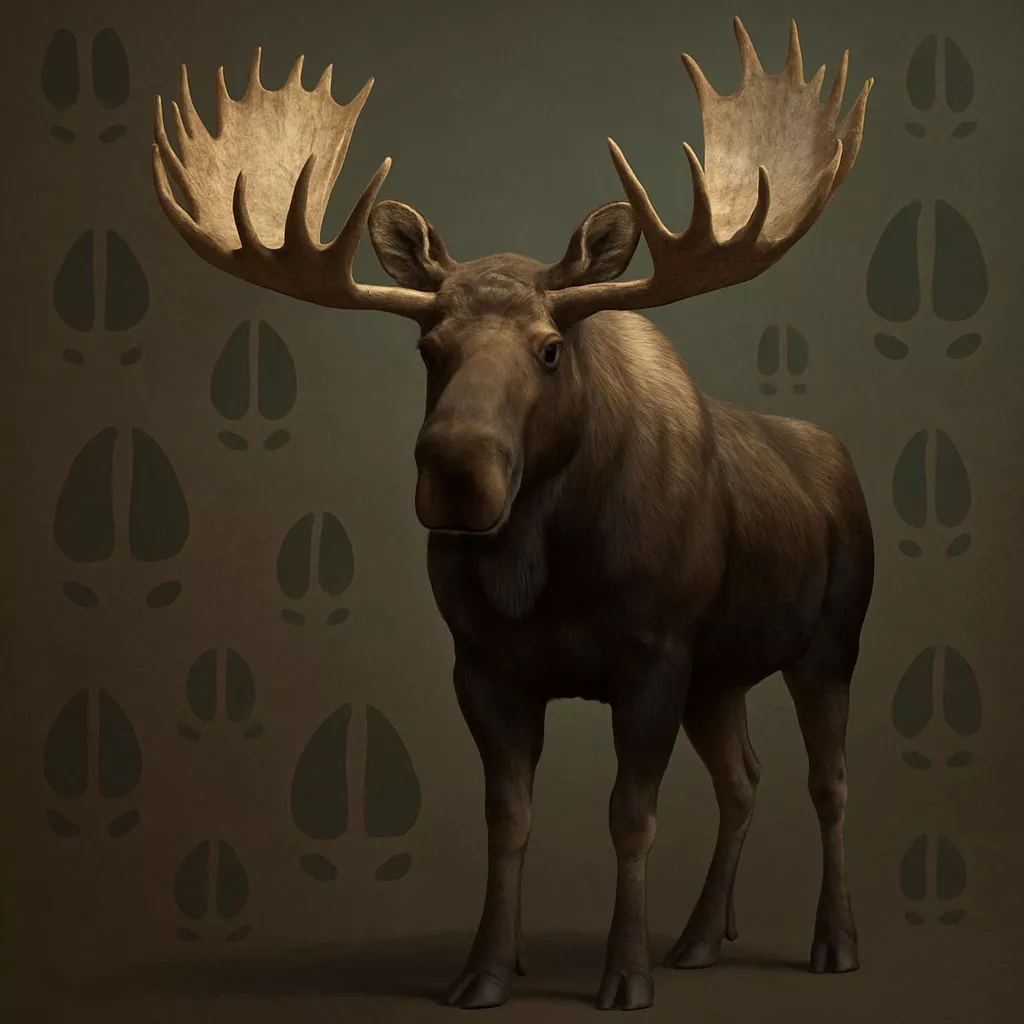
Adult moose are large, with males typically weighing between 800–1,600 lbs (360–725 kg) and females slightly smaller at 600–1,300 lbs (270–590 kg). Their tall legs and large bodies make them well-adapted for moving through deep snow and wetlands. Moose have long, broad noses, a distinctive dewlap (“bell”) under the throat, and dark brown to black fur. Males grow broad, palmate antlers, which can span up to 6 feet (1.8 m) across in mature individuals.
Behavior
Moose are primarily solitary animals except during mating season or when females are accompanied by calves. They are herbivorous, feeding on aquatic plants, leaves, twigs, and bark. Moose are known for their strong swimming abilities and can traverse rivers and lakes to feed or escape predators. Predators include wolves, bears, and humans, though adult moose are largely safe from natural predation due to their size.
Habitat
Moose prefer boreal and mixed forests, wetlands, and riparian zones. They are found throughout Canada, Alaska, and northern U.S. states including Maine, Minnesota, and Montana. Seasonal movements occur as moose seek nutrient-rich feeding grounds, moving from upland forests in summer to river valleys and wetlands in winter.
Hunting and Seasonality
Hunting Practices
Moose hunting is heavily regulated to maintain sustainable populations. Common methods include still hunting, spot-and-stalk, and the use of tree stands or blinds. Ethical hunting requires respecting season limits, license quotas, and using firearms or bows that ensure a quick and humane harvest. Moose hunters often carry GPS and communication tools due to the remote terrain where moose are found.
Seasonal Activity
The fall rut is the peak time for moose activity and hunting. Bulls become highly active, vocalizing with grunts and calls to attract females. Winter drives moose to lower elevations where food is more accessible, while spring sees calving in dense cover to protect young calves. Understanding these seasonal behaviors helps hunters plan strategies and naturalists predict sightings.
Ecological Role
Moose have a profound impact on vegetation, shaping forest structure by browsing on shrubs and young trees. They serve as prey for large carnivores and influence nutrient cycling in wetlands through grazing and movement. Their feeding on aquatic plants also affects waterway ecosystems, promoting biodiversity in riparian zones.
Conservation and Management
Moose populations are considered stable in much of Canada and Alaska but face localized declines in parts of the northern U.S. due to habitat loss, climate change, and disease such as brainworm or winter tick infestations. Wildlife management programs include regulated hunting, habitat protection, and population monitoring to maintain healthy moose populations.
Related Taxonomies
- Seasons: Winter, Spring, Summer, Fall
- Regions: Alaska (AK), Maine (ME), Minnesota (MN), Montana (MT), Wyoming (WY), New Hampshire (NH), Vermont (VT), Michigan (MI), Idaho (ID), Washington (WA)
- Biomes: Forest, Wetland, Grassland
- Category: Big Game
Monthly Guides
Explore our monthly posts to learn how moose behavior, hunting strategies, and ecology vary throughout the year. Each guide highlights the best times for observation and hunting, regional patterns, and practical tips for safe and ethical interaction.
Quick Reference Table
| Aspect | Details |
|---|---|
| Scientific Name | Alces alces |
| Category | Big Game |
| Typical Weight | 600–1,600 lbs (270–725 kg) |
| Habitat | Boreal forests, mixed forests, wetlands |
| Range | Canada, Alaska, Northern U.S. (ME, MN, MT, WY, NH, VT, MI, ID, WA) |
| Season | Fall (rut) for hunting; winter feeding in lowlands |
| Conservation Status | Stable with localized declines |
Moose Hunting Information
For a full archive of hunting posts by month, visit the Moose Category.