

Introduction
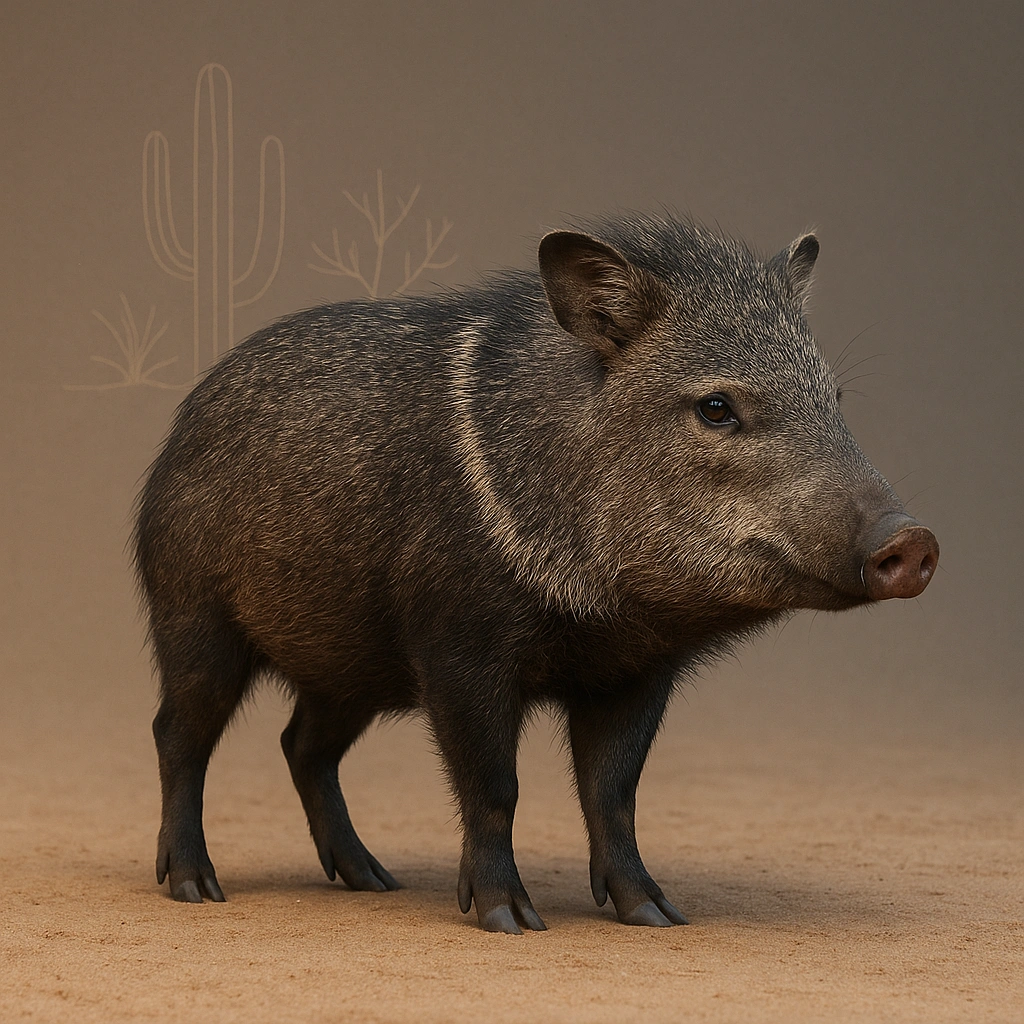
The javelina, also known as the collared peccary (Pecari tajacu), is one of the most distinctive and resilient mammals of the American Southwest. Often mistaken for wild pigs, javelinas are actually members of the peccary family, a separate group of even-toed ungulates native to the Americas. Their adaptability to arid habitats and unique social behavior make them a fascinating subject for both wildlife enthusiasts and hunters.
In North America, particularly in states like Texas, Arizona, and New Mexico, javelinas have become a significant component of the desert ecosystem. For hunters, they offer a challenging pursuit that blends spot-and-stalk techniques with an understanding of the animal’s habitat preferences. For naturalists, javelinas showcase the delicate balance between native herbivores and their rugged environments.
This article provides an in-depth look at javelinas, from their identification and behavior to their ecological importance, hunting practices, and conservation. It also offers guidance on when and where to find them throughout the year.
Identification and Characteristics
Appearance
Javelinas are medium-sized mammals weighing between 35–60 pounds (16–27 kg) with a body length of 3–4 feet (0.9–1.2 m). Their coarse, bristly fur is typically salt-and-pepper gray with a distinct lighter “collar” of fur around the shoulders, which gives the collared peccary its name. They have a pig-like snout, small eyes, and short legs adapted for maneuvering through brush. Unlike true pigs, javelinas have small, sharp tusks used for self-defense and foraging rather than rooting.
Behavior
Javelinas are social animals that typically travel in herds of 5–15 individuals, although larger groups may form around abundant food sources. They are primarily diurnal, foraging early in the morning and late in the afternoon to avoid the heat of the day. Their diet consists mostly of prickly pear cactus, fruits, seeds, bulbs, and occasional small vertebrates or insects. Predators include mountain lions, coyotes, and bobcats, but herd behavior and sharp tusks provide some protection.
Habitat
Javelinas thrive in arid and semi-arid habitats such as deserts, scrublands, and mesquite woodlands. Their range stretches from the southern United States (Arizona, Texas, New Mexico) to Central and South America. In North America, seasonal movements are limited; however, they may shift between food patches or seek shelter in denser vegetation during extreme weather conditions.
Hunting and Seasonality
Hunting Practices
Javelinas are classified as big game in many states, and hunting seasons are typically regulated with tags or permits. Legal hunting methods include spot-and-stalk, still hunting, or calling. Bowhunting is popular, as javelinas provide an exciting challenge for archers due to their keen sense of smell and unpredictable movements. Ethical hunting practices involve taking clear, close-range shots to ensure a quick harvest and respecting herd dynamics by not overharvesting in a single area.
Seasonal Activity
Javelinas remain active year-round, but their daily patterns shift with the seasons. In cooler months they may forage throughout the day, while in summer they stay near water sources and forage at dawn or dusk. Breeding can occur any time of year, though peaks are often seen in late winter and spring. For hunters, prime seasons usually coincide with cooler weather when javelinas are more active and easier to locate.
Ecological Role
Javelinas play a critical role in shaping the vegetation of desert ecosystems. By feeding on cactus pads, fruits, and seeds, they help control plant populations and disperse seeds, facilitating the regeneration of native plants. They also serve as prey for large carnivores, maintaining predator populations and contributing to a balanced food web. Their rooting and foraging activities aerate the soil, influencing nutrient cycling in arid landscapes.
Conservation and Management
Javelina populations in the U.S. are considered stable, with healthy numbers across most of their range. Wildlife agencies manage javelinas through regulated hunting seasons, bag limits, and habitat conservation programs. These measures ensure sustainable populations while providing recreational hunting opportunities and protecting the ecological integrity of their habitats.
Monthly Guides
Our monthly guides provide detailed insights into javelina behavior, habitat use, and hunting opportunities throughout the year. Explore how seasonal changes affect their movements, feeding patterns, and optimal hunting strategies.
Quick Reference Table
| Aspect | Details |
|---|---|
| Scientific Name | Pecari tajacu |
| Category | Big Game |
| Typical Weight | 35–60 lbs (16–27 kg) |
| Habitat | Desert scrub, mesquite woodlands, arid grasslands |
| Range | Arizona, Texas, New Mexico; southward into Central America |
| Season | Year-round with peak hunting in cooler months |
| Conservation Status | Stable |
Javelina Hunting Information
For a full archive of hunting posts by month, visit the Javelina Category.