
Introduction
The grizzly bear (Ursus arctos horribilis) stands as one of the most iconic and powerful mammals of North America. Known for its immense size, distinctive shoulder hump, and commanding presence, the grizzly has captured the imagination of explorers, naturalists, and wildlife enthusiasts for centuries. Once widespread across much of the continent, the species now occupies key wilderness regions where it remains an apex predator and a keystone species.
For hunters, naturalists, and conservationists, the grizzly bear symbolizes the rugged wild. Its life history, behaviors, and interactions with the environment reflect the balance between predator and prey, wilderness and civilization. Understanding the grizzly’s biology, habitat preferences, and seasonal patterns is essential for responsible management and conservation of this magnificent species.
This guide provides a detailed overview of the grizzly bear’s identification, ecology, and seasonal activity, along with information on legal hunting practices where applicable, and conservation challenges facing the species in North America.
Identification and Characteristics
Appearance
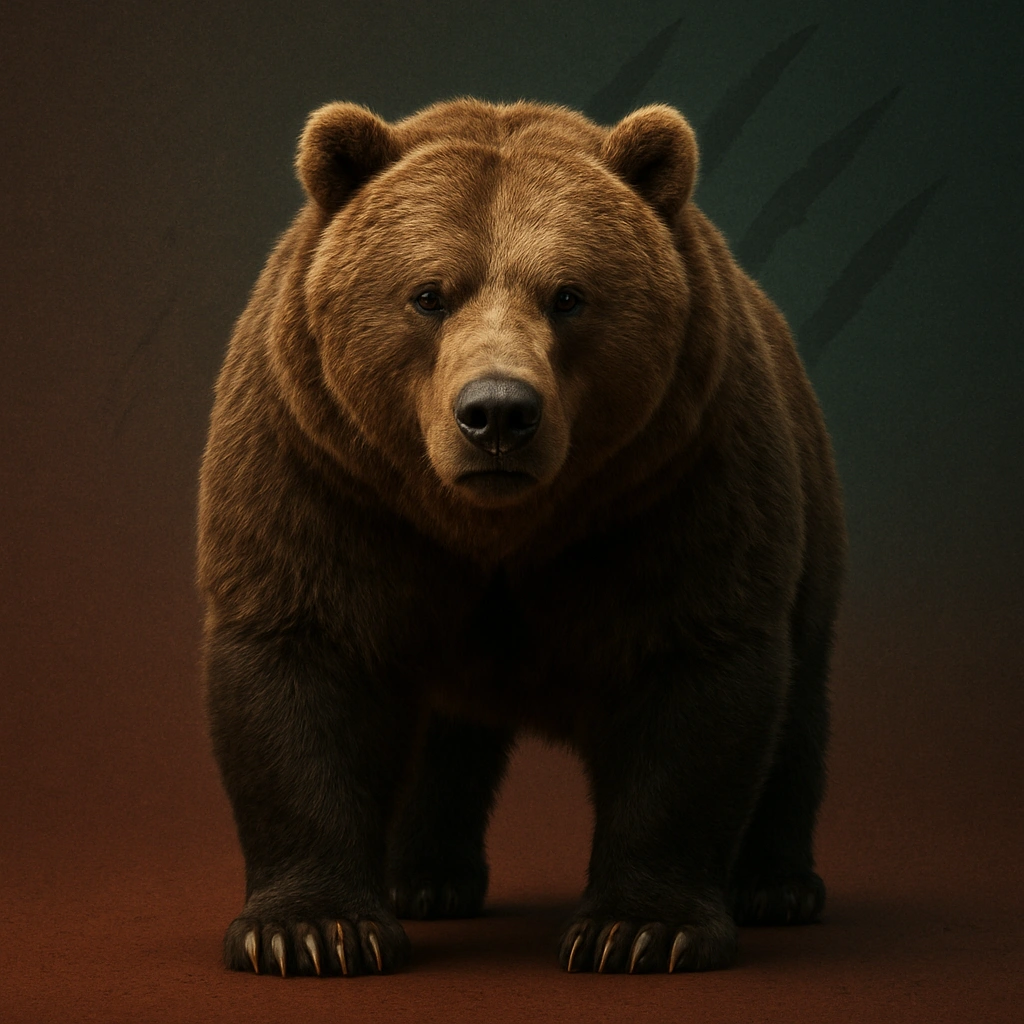
Adult grizzly bears are massive, typically ranging from 300 to 850 pounds (136–385 kg), with large males exceeding 1,000 pounds (454 kg) in some regions. Their fur varies from blond to dark brown, often with silver-tipped “grizzled” hairs giving them their name. Key identifying features include a prominent muscular hump over the shoulders, long claws (2–4 inches), and a concave facial profile. Unlike black bears, grizzlies have rounded, shorter ears and a stockier build.
Behavior
Grizzly bears are omnivorous and opportunistic feeders. Their diet includes berries, roots, grasses, insects, salmon, ungulate carrion, and sometimes live prey. They are generally solitary except for mothers with cubs or during feeding congregations (such as salmon runs). Grizzlies are highly mobile, capable of traveling long distances in search of food, and have complex home ranges. They are powerful diggers and swimmers, with acute senses of smell and hearing.
Habitat
Grizzly bears favor diverse habitats, from alpine meadows and tundra to dense forests, river valleys, and coastal areas. In the continental U.S., they are mostly found in parts of Alaska, Montana, Wyoming, Idaho, and Washington. Seasonal movements follow food availability: high elevations in summer for berries, river corridors for spawning fish, and lower valleys in fall before denning.
Hunting and Seasonality
Hunting Practices
In the contiguous United States, grizzly bears are listed as threatened under the Endangered Species Act and are not legally hunted. In Alaska and parts of Canada, regulated hunting seasons exist. Permitted hunts typically involve strict quotas, limited tags, and mandatory reporting. Hunters rely on glassing ridges and valleys, using spotting scopes and patience to locate bears. Ethical considerations are paramount, including proper shot placement, respect for the animal, and adherence to regional laws.
Seasonal Activity
Grizzlies follow distinct seasonal patterns. In spring, they emerge from dens hungry and focused on roots and carrion. Summer brings a more varied diet of vegetation and protein sources. In autumn, hyperphagia (intense feeding) drives bears to gorge on berries, salmon, and fat-rich foods to build reserves for winter hibernation. Understanding these patterns is critical for wildlife managers and for those observing bears in the wild.
Ecological Role
As apex predators and ecosystem engineers, grizzly bears shape their environment. They regulate ungulate populations, redistribute nutrients by dragging salmon into forests, and aerate soil while digging for roots or ground squirrels. Their foraging helps disperse seeds of numerous plant species, indirectly supporting forest regeneration. The health of grizzly populations often reflects the health of the ecosystems they inhabit.
Conservation and Management
Once widespread, grizzly bear numbers plummeted due to habitat loss and unregulated hunting. Today, populations in Alaska and much of Canada are relatively stable, but in the lower 48 states they remain limited to isolated areas. Recovery efforts include habitat protection, corridor creation between fragmented ranges, strict management of human-bear conflicts, and continued monitoring of population dynamics.
Wildlife agencies use scientific research and public education to ensure that human activities do not jeopardize recovery. Long-term conservation success depends on balancing human use of wildlands with the needs of these large carnivores.
Monthly Guides
Our monthly guides explore the grizzly bear’s behavior and habitat use throughout the year. From spring emergence to fall hyperphagia, these posts help hunters, naturalists, and photographers understand when and where grizzlies are most active. Follow the links below for detailed monthly insights.
Quick Reference Table
| Aspect | Details |
|---|---|
| Scientific Name | Ursus arctos horribilis |
| Category | Big Game |
| Typical Weight | 300–850 lbs (136–385 kg); large males up to 1,000+ lbs (454+ kg) |
| Habitat | Alpine meadows, forests, river valleys, tundra, coastal areas |
| Range | Alaska, western Canada, and isolated populations in the Northern Rockies |
| Season | Regulated hunts in Alaska and parts of Canada (varies by region); no legal hunting in lower 48 states |
| Conservation Status | Stable in Alaska/Canada; Threatened in lower 48 states |
Grizzly Bear Hunting Information
For a full archive of hunting posts by month, visit the Grizzly Bear Category.