

Introduction
The fox squirrel (Sciurus niger) is the largest species of tree squirrel in North America and an iconic member of the continent’s small game community. Known for its striking coloration and adaptability, the fox squirrel inhabits a wide range of wooded and semi-open habitats, making it one of the most widely observed and hunted squirrels in the United States. For wildlife enthusiasts, these squirrels offer fascinating insights into forest ecology, while for hunters they represent a classic and accessible quarry that has been pursued for generations.
This species is significant not only because of its prevalence but also because of its role in shaping and maintaining the health of North American woodlands. Through seed dispersal and foraging behavior, fox squirrels help regenerate forests and sustain biodiversity. Their abundance and distinct seasonal behaviors provide a year-round opportunity for observation and, in states where it’s permitted, ethical hunting.
Identification and Characteristics
Appearance
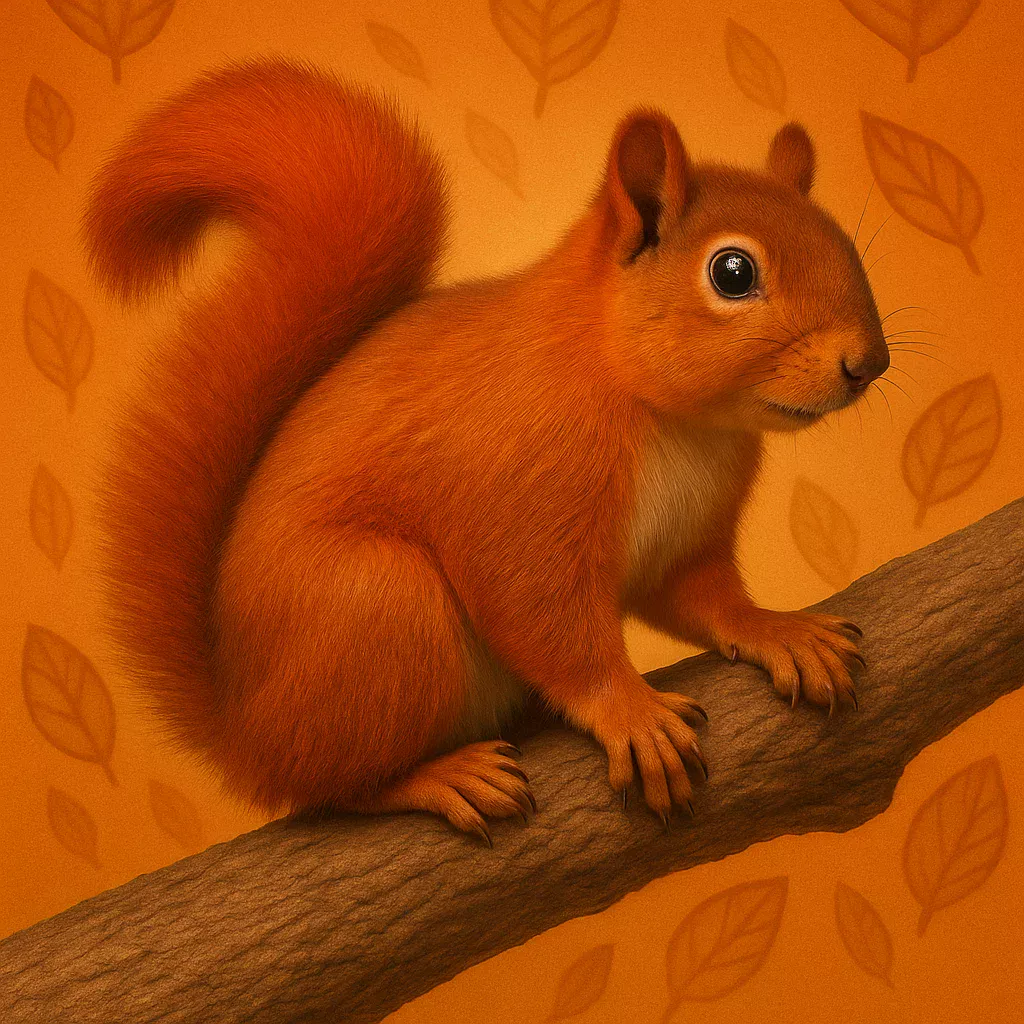
Fox squirrels are noticeably larger than their gray squirrel cousins, typically measuring 17–27 inches (43–69 cm) in total length, including a long, bushy tail. Adults weigh between 1.5 and 3 pounds (0.7–1.4 kg). Their fur color varies widely across their range: many have a mix of rusty-orange underparts with gray or brownish upper parts, while others appear entirely black or more uniform gray. Their strong claws and flexible ankles are adapted for climbing, and their long tails provide balance and warmth.
Behavior
Primarily diurnal, fox squirrels are most active in the early morning and late afternoon. They are solitary feeders but may be seen sharing feeding areas during mast-rich seasons. Their diet consists of nuts, seeds, acorns, buds, fungi, and occasionally insects or bird eggs. Fox squirrels bury nuts in scattered caches, a behavior that inadvertently aids in forest regeneration. Predators include hawks, owls, bobcats, and snakes. Despite these threats, their adaptability and prolific reproduction support stable populations in most areas.
Habitat
Fox squirrels prefer mature hardwood and mixed forests with open understories, as well as farmlands, hedgerows, and suburban parks. They are found throughout much of the eastern and central United States, extending into parts of the West where suitable habitat exists. Seasonal movements are generally limited to local shifts within their home range, especially as food availability changes throughout the year.
Hunting and Seasonality
Hunting Practices
Fox squirrels are a staple of small game hunting, offering accessible sport and an opportunity to hone stalking and marksmanship skills. Legal hunting methods typically include the use of small-caliber rifles, shotguns, or archery equipment. Hunters are encouraged to use non-toxic ammunition when possible and to adhere to local regulations regarding bag limits and seasons. Ethical practices include identifying targets carefully, avoiding unnecessary disturbance of non-target wildlife, and respecting private property boundaries.
Seasonal Activity
Fox squirrels exhibit clear seasonal patterns that affect hunting strategies. In late summer and fall, they are most active on the ground as they forage for mast, making them easier to spot. During winter, activity may slow but continues on warmer days, especially around midday. In spring, they feed on buds and flowers in treetops, requiring hunters to adjust their approach. Understanding these patterns helps hunters time their outings for maximum success while minimizing stress on the animals.
Ecological Role
Fox squirrels play a crucial role in forest dynamics by dispersing and burying seeds and nuts, which promotes plant diversity and forest regeneration. Their feeding habits also influence the distribution of certain tree species. As prey, they support populations of raptors and carnivores. This dual role, as both seed disperser and prey, underscores their importance in maintaining healthy ecosystems and balanced predator-prey relationships.
Conservation and Management
Fox squirrel populations are generally stable across their range, though localized declines can occur due to habitat loss or fragmentation. Wildlife agencies manage squirrel populations through regulated hunting seasons and bag limits, ensuring sustainable harvests. Conservation efforts focus on maintaining mixed-forest habitats, restoring riparian buffers, and preserving mast-producing trees critical to squirrel survival.
Monthly Guides
Below you will find monthly guides detailing how the fox squirrel behaves and how it is hunted during each month of the year. These posts cover seasonal diets, habitat use, and recommended hunting practices to help wildlife enthusiasts and hunters plan their activities responsibly.
Quick Reference Table
| Aspect | Details |
|---|---|
| Scientific Name | Sciurus niger |
| Category | Small Game & Furbearers |
| Typical Weight | 1.5–3 lbs (0.7–1.4 kg) |
| Habitat | Mature hardwood forests, mixed woodlands, farmlands, and parks |
| Range | Eastern, Central, and parts of Western U.S. |
| Season | Best hunting seasons in fall and winter (check state regulations) |
| Conservation Status | Stable |
Fox Squirrel Hunting Information
For a full archive of hunting posts by month, visit the Fox Squirrel Category.