
Eastern Cottontail, Sylvilagus floridanus
Introduction
The cottontail rabbit is one of the most familiar and widespread small game species in North America. Known for its distinctive fluffy white tail and quick, darting movements, it plays an important role in both ecosystems and hunting traditions. Across the United States, the cottontail rabbit is not only a key prey species for predators but also a favorite quarry for hunters, offering a combination of accessibility, challenge, and cultural significance.
Because cottontails thrive in a wide range of habitats and are abundant in many regions, they are often one of the first game animals encountered by new hunters. Their abundance and adaptability make them a vital species for understanding the dynamics of small game hunting and wildlife conservation.
Identification and Characteristics
Appearance
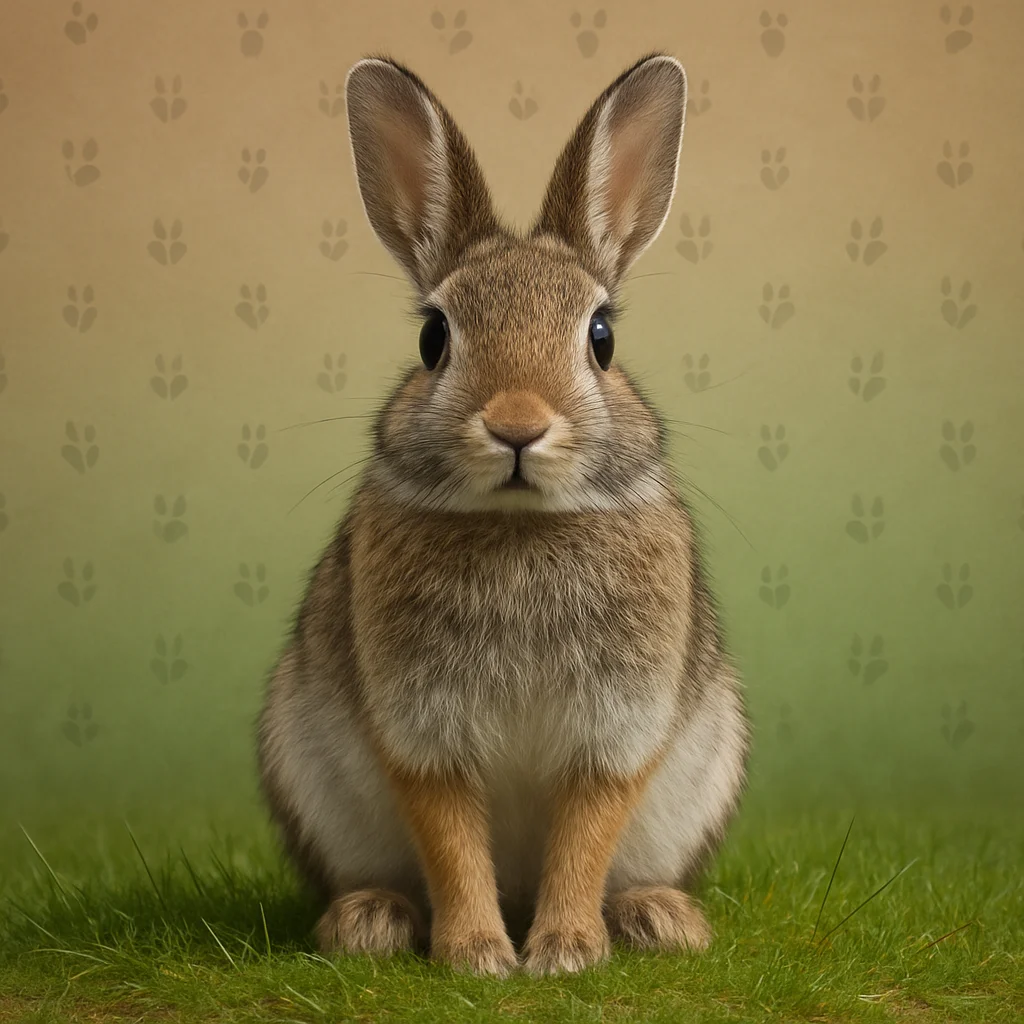
Cottontail rabbits are medium-sized lagomorphs, weighing between 2–4 lbs (0.9–1.8 kg). They typically measure 14–17 inches (35–43 cm) in length. Their fur is grayish-brown with lighter underparts, and their most distinctive feature is the short, fluffy white tail that resembles a cotton ball. This trait gives the species its common name.
Behavior
Cottontails are crepuscular, most active at dawn and dusk. They feed primarily on grasses, clover, bark, buds, and agricultural crops. These rabbits are solitary and maintain overlapping home ranges. When threatened, they rely on their excellent hearing, keen eyesight, and quick zig-zag running patterns to evade predators such as foxes, hawks, and coyotes.
Habitat
Cottontail rabbits prefer brushy fields, forest edges, farmland, and suburban landscapes. They thrive in areas with dense cover for protection and open areas for feeding. Their range extends across most of the United States, from the eastern woodlands and Midwest farmlands to the deserts of the Southwest.
Hunting and Seasonality
Hunting Practices
Hunting cottontail rabbits is a time-honored tradition in many states. Common methods include still hunting, using trained dogs (such as beagles) to flush rabbits from cover, and opportunistic hunting during other outings. Firearms such as small-gauge shotguns or .22 caliber rifles are typically used. Ethical practices emphasize sustainable harvests and respect for bag limits.
Seasonal Activity
Rabbit activity changes with the seasons. In winter, they rely heavily on bark and woody stems. Spring brings breeding activity and abundant food. During summer, cottontails are often seen feeding in early morning and late evening fields. Autumn is a prime hunting season, with cooler temperatures and more predictable patterns of movement as rabbits forage for energy before winter.
Ecological Role
Cottontail rabbits are a keystone prey species, providing food for a wide array of predators including foxes, bobcats, hawks, owls, and snakes. They also influence plant communities through grazing, sometimes affecting crop yields. Their population dynamics can shape predator behavior and ecosystem balance, making them essential in wildlife ecology.
Conservation and Management
Although cottontail rabbits remain abundant in most of their range, local populations can be affected by habitat loss, disease, and predation. Wildlife management agencies monitor populations closely to ensure sustainable hunting opportunities. Conservation practices include maintaining brushy field edges, hedgerows, and other cover that supports rabbit populations.
Related Taxonomies
- Regions: Northeast, Midwest, Southeast, Southwest, West
- Biomes: Forest, Grassland, Wetland, Desert
- Category: Small Game & Furbearers
Monthly Guides
Explore how the cottontail rabbit behaves and is hunted throughout the year. Below you will find month-by-month guides with seasonal details, hunting tips, and ecological notes.
Quick Reference Table
| Aspect | Details |
|---|---|
| Scientific Name | Sylvilagus floridanus |
| Category | Small Game & Furbearers |
| Typical Weight | 2–4 lbs (0.9–1.8 kg) |
| Habitat | Brushy fields, forest edges, farmland |
| Range | Most of the U.S., from Northeast to Southwest |
| Season | Fall and Winter are peak hunting seasons |
| Conservation Status | Stable |
Hunting Information
Cottontails are popular among hunters for their abundance and challenging, fast-paced hunts. For a full archive of hunting posts by month, visit the
Cottontail Rabbit Category