

Introduction
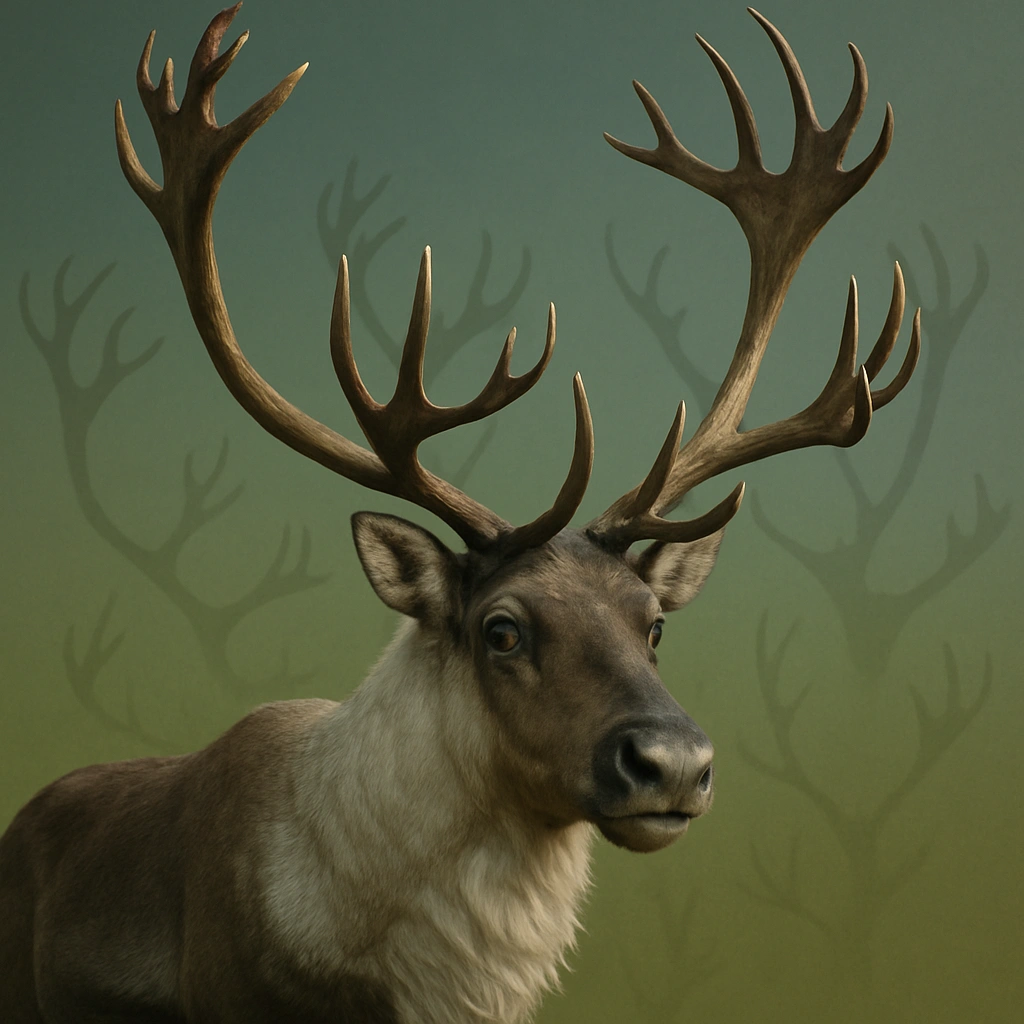
The Caribou (Rangifer tarandus), known as reindeer in Europe and Asia, is one of North America’s most iconic large mammals. Caribou are emblematic of the Arctic and sub-Arctic wilderness, thriving in some of the continent’s most remote and pristine landscapes. Their long migrations, striking antlers, and ability to endure extreme cold make them a symbol of resilience and adaptation.
For Indigenous peoples across North America, caribou have been central to survival for thousands of years, providing food, clothing, and cultural identity. For modern hunters, the caribou remains a highly prized big game species, sought after for the challenge of remote hunts and the opportunity to participate in a tradition that has defined northern subsistence for generations. For wildlife enthusiasts and naturalists, the caribou’s epic migrations and seasonal behaviors offer one of the most fascinating spectacles in the natural world.
Today, caribou are also of great conservation importance. Their populations have faced significant pressures from climate change, industrial development, and habitat fragmentation. Understanding their biology, ecology, and management is critical not only for hunting and observation but also for ensuring that this keystone species continues to thrive in North America’s northern ecosystems.
Identification and Characteristics
Appearance
Caribou are medium-to-large members of the deer family (Cervidae). Adult males, or bulls, typically weigh between 275 and 600 lbs (125–270 kg), while females, or cows, average 180 to 260 lbs (82–118 kg). Caribou stand about 3.5 to 4.5 feet (105–135 cm) at the shoulder. Their most distinctive feature is their antlers: both males and females grow them, though male antlers are typically larger and more elaborately branched. Antlers can span over 40 inches (1 m) and are shed and regrown annually.
Their coat changes seasonally, ranging from a dark brown in summer to a lighter gray or whitish in winter. They have large, concave hooves that act like snowshoes, enabling them to walk on snow and soft tundra. These hooves also help them dig for lichen, a staple winter food.
Behavior
Caribou are social animals that live in herds ranging from a few dozen individuals to hundreds of thousands during migration. Their primary diet consists of lichens, grasses, sedges, leaves, and shrubs. In winter, lichens form the majority of their diet, while summer brings access to nutrient-rich vegetation that supports growth and reproduction.
They are best known for their long migrations, some of which span over 600 miles (965 km), making them one of the greatest migratory species in North America. Predators include wolves, bears, and golden eagles (which prey on calves). Caribou rely on their numbers, endurance, and ability to traverse harsh landscapes as survival strategies.
Habitat
Caribou inhabit Arctic tundra, boreal forests (taiga), and mountainous regions. Their range includes Alaska, much of northern Canada, and isolated populations in the northern United States (such as Idaho, Montana, and historically the Northeast). They prefer open landscapes where they can spot predators, though woodland caribou populations rely heavily on boreal forests.
Seasonal migrations move caribou between calving grounds in the north during spring and summer, and southern wintering ranges where food is more accessible. This cyclical movement is vital for herd survival and reproduction.
Hunting and Seasonality
Hunting Practices
Caribou hunting is a longstanding tradition in North America, practiced by Indigenous communities for subsistence and by sportsmen for big game opportunities. Hunts often require extensive travel to remote regions, typically accessible only by bush planes, boats, or long treks. Spot-and-stalk is the primary hunting method, often involving glassing large landscapes and intercepting migrating herds. Rifle and bowhunting are common, with strict regulations on seasons, quotas, and licensing.
Ethical considerations include avoiding overharvesting, respecting Indigenous rights and traditions, and adhering to sustainable management practices. Due to the remoteness of hunts, careful planning and logistical preparation are essential.
Seasonal Activity
Caribou exhibit dramatic seasonal behaviors. In spring, pregnant cows migrate to calving grounds, often in the tundra, where they give birth to a single calf in June. Summer herds disperse into nutrient-rich areas to feed and recover from migration. Fall is rutting season (September–October), when males grow their largest antlers and compete for breeding rights.
In winter, caribou move to sheltered areas where lichens are accessible beneath snow cover. They dig through snow with their hooves to uncover food. Hunting seasons typically coincide with fall migrations and, in some regions, spring hunts are permitted, depending on herd health and management policies.
Ecological Role
Caribou are keystone herbivores in Arctic and sub-Arctic ecosystems. Their grazing influences plant communities, shaping vegetation patterns across vast landscapes. By consuming lichens, shrubs, and grasses, they help regulate the growth of tundra vegetation, which impacts other herbivores and predators.
They also serve as a critical food source for predators such as wolves and bears, while their carcasses recycle nutrients into the soil. The presence and health of caribou herds are vital indicators of ecosystem integrity in northern environments.
Conservation and Management
Caribou populations have faced serious declines in many regions due to habitat loss, climate change, industrial development, and increased predation. While some herds remain stable, others (such as certain woodland caribou populations) are listed as threatened or endangered. Overall, North American caribou numbers are estimated at 3–4 million, though distribution is uneven.
Conservation strategies include protecting migration routes, reducing industrial disturbances, limiting hunting quotas, and supporting Indigenous-led management programs. Collaborative efforts between governments, wildlife organizations, and Indigenous peoples are essential for maintaining healthy herds and ensuring sustainable hunting practices.
Monthly Guides
Follow the caribou throughout the year with monthly guides that explore their migrations, calving, rutting, and winter survival strategies. Each month reveals unique insights into their behavior and hunting opportunities, providing a detailed look at one of North America’s most remarkable big game species.
Quick Reference Table
| Aspect | Details |
|---|---|
| Scientific Name | Rangifer tarandus |
| Category | Big Game |
| Typical Weight | 180–600 lbs (82–270 kg) |
| Habitat | Tundra, boreal forest, mountainous regions |
| Range | Alaska, Northern Canada, Rocky Mountains, isolated U.S. populations |
| Season | Fall rut (Sept–Oct), regulated hunts in spring and fall |
| Conservation Status | Varies by herd: Stable to Threatened |
Caribou Hunting Information
For a full archive of hunting posts by month, visit the
Caribou Category.