

Introduction
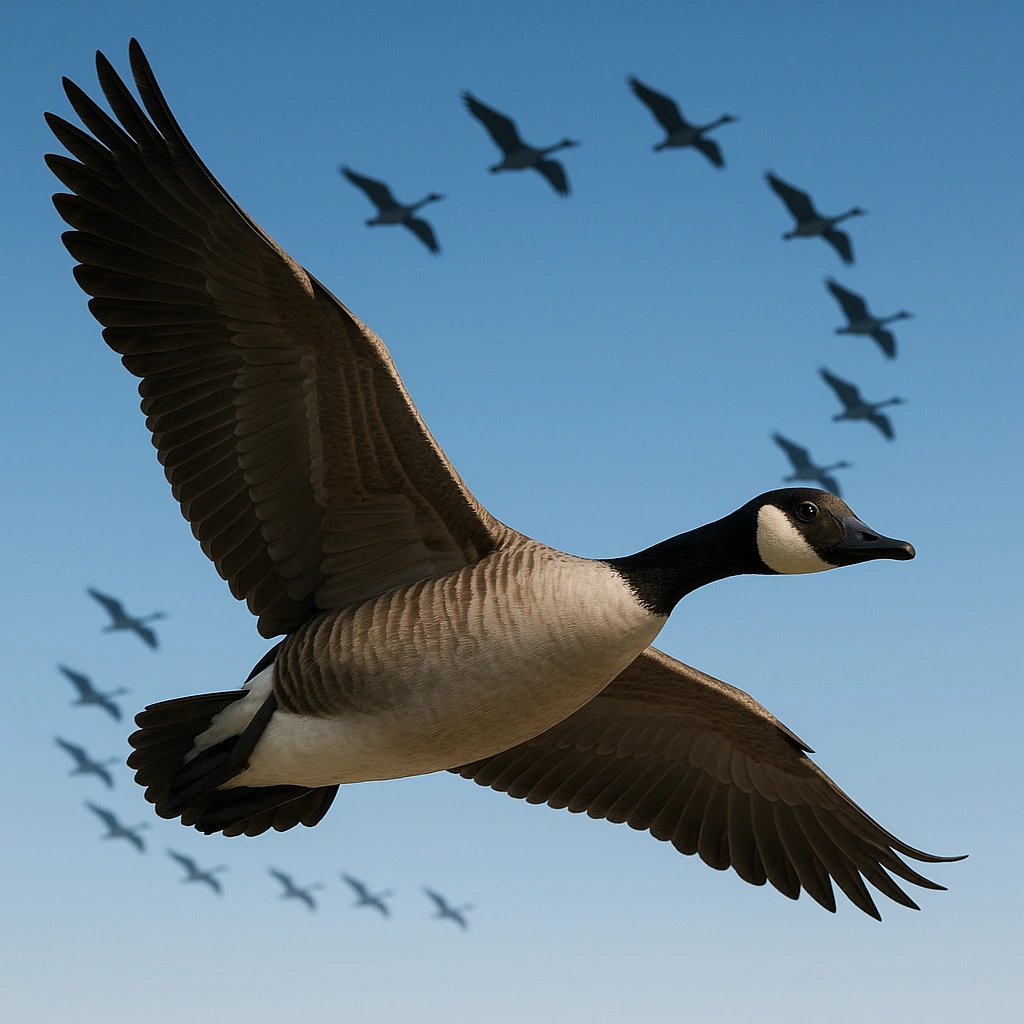
The Canada Goose (Branta canadensis) is one of the most recognizable and widely distributed waterfowl species in North America. Known for its distinctive black head, white chinstrap, and V-shaped migration formations, this bird has become an enduring symbol of seasonal change and wetland ecosystems. Its adaptability has allowed populations to flourish in urban parks, agricultural fields, and remote wilderness alike.
For hunters, the Canada Goose represents both a challenging quarry and a traditional pursuit. Migratory and resident populations provide opportunities across much of the continent, while naturalists and birdwatchers are drawn to its complex social structure, dramatic migrations, and powerful influence on local habitats. Understanding this species’ biology and habits is key to ethical hunting and effective conservation.
As Canada Geese continue to expand their range and adapt to human-modified environments, they also play an increasingly visible role in North American wildlife management. This article provides a comprehensive guide to identifying, observing, and hunting Canada Geese responsibly.
Identification and Characteristics
Appearance
Adult Canada Geese are large waterfowl, typically weighing between 7–14 pounds (3–6 kg) and measuring 30–43 inches (75–110 cm) in length with a wingspan of 50–70 inches (127–178 cm). They have long black necks and heads with a bright white chinstrap, brownish-gray bodies, pale chest feathers, and a white undertail. Juveniles are similar but duller in color.
Behavior
Canada Geese are social birds that travel in family groups or larger flocks, especially during migration. They are primarily grazers, feeding on grasses, grains, aquatic vegetation, and agricultural crops. Their strong flight capabilities and keen senses make them wary and challenging to hunt. Predators include coyotes, foxes, raccoons, and large birds of prey, though adults are well-defended by their size and aggression.
Habitat
This species thrives in wetlands, lakeshores, river valleys, agricultural fields, and even golf courses. Historically migratory, many populations now remain resident year-round where food and open water are available. Seasonal movements vary widely: northern populations migrate south in autumn, while southern and urban populations may only shift locally.
Hunting and Seasonality
Hunting Practices
Canada Goose hunting is a long-standing tradition governed by federal and state regulations. Common methods include field hunting over decoys, pass-shooting along flight paths, and calling to lure flocks within range. Shotguns with non-toxic shot (steel, bismuth, or tungsten) are required in most jurisdictions. Hunters must possess the proper licenses, state waterfowl stamps, and a Federal Duck Stamp. Ethical practices include careful shot selection, retrieving downed birds promptly, and respecting bag limits.
Seasonal Activity
Behavior changes seasonally. In spring and summer, geese breed and raise goslings in northern wetlands. By late summer and fall, migratory flocks gather in staging areas, feeding heavily to build fat reserves for migration. Hunting seasons are generally set in fall and winter to coincide with these movements, with early seasons often targeting abundant resident populations. Understanding local flyways and peak migration times dramatically improves hunting success.
Ecological Role
Canada Geese play a significant role in their ecosystems by grazing on vegetation, dispersing seeds, and serving as prey for predators. Their droppings fertilize soil and aquatic habitats, although overabundant populations can degrade water quality and vegetation in sensitive areas. Balanced management helps maintain healthy wetland systems and minimizes conflicts with agriculture and urban areas.
Conservation and Management
Once in decline due to overhunting and habitat loss, Canada Geese have rebounded dramatically through conservation measures, regulated hunting, and the creation of refuges. Today many populations are stable or increasing, though some areas face challenges from overpopulation and resulting human-wildlife conflicts. Wildlife agencies use hunting regulations, habitat management, and relocation to maintain sustainable numbers and protect ecosystem health.
Monthly Guides
Below you’ll find links to monthly guides showing how Canada Geese behave, migrate, and are hunted during each month of the year. These detailed posts provide localized insights into feeding, flight patterns, and regulatory changes to help hunters and naturalists plan effectively.
Quick Reference Table
| Aspect | Details |
|---|---|
| Scientific Name | Branta canadensis |
| Category | Waterfowl & Migratory Birds |
| Typical Weight | 7–14 lbs (3–6 kg) |
| Habitat | Wetlands, lakeshores, agricultural fields, urban parks |
| Range | Across North America from Arctic breeding grounds to southern U.S. wintering areas |
| Season | Best hunting seasons in fall and winter, early seasons for resident populations |
| Conservation Status | Stable to increasing |
Canada Goose Hunting Information
For a full archive of hunting posts by month, visit the Canada Goose Category.