

Introduction
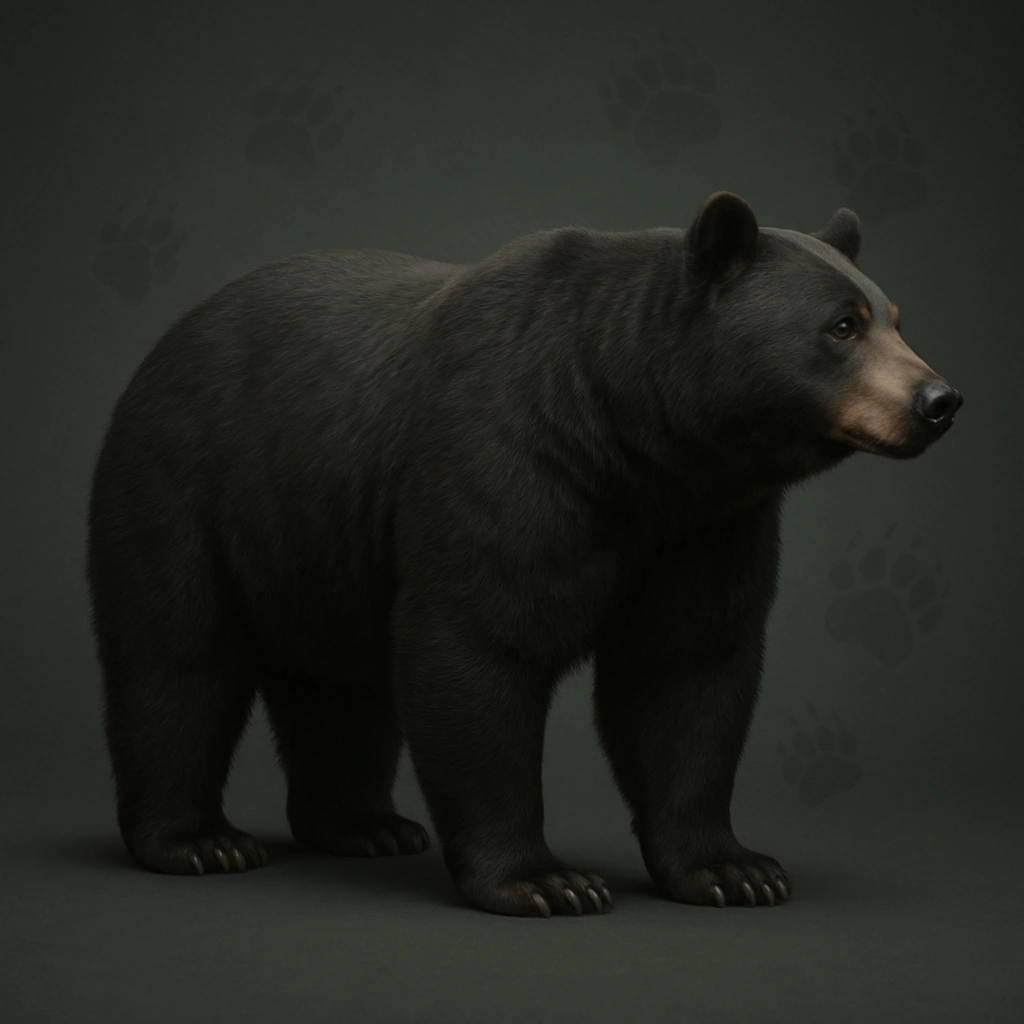
The American Black Bear (Ursus americanus) is the most widely distributed bear species in North America and a central figure in both cultural heritage and wildlife conservation. Known for its adaptability and resilience, the black bear thrives in diverse habitats ranging from dense forests to swamps, mountains, and even suburban edges. Its ability to coexist near human settlements, combined with its ecological importance, makes it one of the continent’s most recognized and studied mammals.
For hunters, the black bear represents a challenging and rewarding pursuit. Regulated hunting provides both sustainable game opportunities and an essential management tool for keeping populations in balance. For naturalists and wildlife enthusiasts, the bear’s seasonal behaviors (from hibernation to foraging) offer endless fascination. Observing a black bear in the wild is a memorable encounter, as this species embodies both power and adaptability within North America’s ecosystems.
Beyond hunting and observation, black bears play a key role in their ecosystems, shaping vegetation growth and aiding in seed dispersal. Their history of recovery from past overharvesting is a success story of wildlife management, and ongoing conservation efforts ensure they remain a vital part of North America’s wilderness heritage.
Identification and Characteristics
Appearance
Black bears are medium-sized bears, though they vary greatly in size depending on region, sex, and food availability. Adult males typically weigh between 150 and 600 lbs (68–272 kg), while females average 100 to 250 lbs (45–113 kg). Exceptional males in food-rich areas can exceed 700 lbs (318 kg). They stand 2–3 feet tall at the shoulder and can reach 5–7 feet (1.5–2.1 m) in length.
Despite their name, black bears are not always black. Their fur ranges in color from jet black to brown, cinnamon, blonde, and even white in rare cases (notably the “Kermode” or “spirit bear” of coastal British Columbia). They have short, rounded ears, small eyes, and a straight facial profile, distinguishing them from the larger brown (grizzly) bears, which have a prominent shoulder hump.
Behavior
Black bears are generally solitary, except for mothers with cubs or during mating season. They are opportunistic omnivores, feeding on fruits, nuts, grasses, roots, insects, carrion, and occasionally small mammals or young deer. Their feeding habits shift seasonally, with heavy foraging in late summer and fall to prepare for winter hibernation.
Highly mobile, black bears can travel long distances in search of food, and they are excellent climbers and swimmers. Their keen sense of smell is among the best in the animal kingdom, allowing them to locate food miles away. While black bears are less aggressive than grizzly bears, they are powerful and can become dangerous if threatened or habituated to human food sources.
Habitat
Black bears occupy a wide variety of habitats, including deciduous and coniferous forests, wetlands, swamps, and mountainous regions. They are most abundant in the eastern United States, the Great Lakes region, the Rocky Mountains, Appalachians, and parts of the Pacific Northwest. Their range extends from Canada and Alaska through most of the continental U.S. into northern Mexico.
Seasonal movements are driven by food availability. Bears often descend to lower elevations in spring to forage on new vegetation and carcasses, then move into berry-rich areas during summer. In fall, they focus on mast crops like acorns and nuts to build fat reserves before hibernation. Den sites are typically located in hollow trees, rock crevices, or dug-out areas beneath roots.
Hunting and Seasonality
Hunting Practices
Black bear hunting is highly regulated across North America, with seasons varying by state and province. Methods include spot-and-stalk hunting, baiting (legal in some regions), hunting with hounds, and still-hunting. Rifle, muzzleloader, and bowhunters all pursue bears, often requiring patience, skill, and knowledge of seasonal food sources.
Ethical bear hunting emphasizes respect for the animal and adherence to regulations, including harvest quotas, sex-specific rules, and restrictions on sows with cubs. Because of their keen senses and elusive nature, successful bear hunts demand careful scouting, physical endurance, and precise shot placement.
Seasonal Activity
Black bears follow a predictable annual cycle that shapes both their behavior and hunting opportunities. In spring, they emerge from dens hungry and focused on early vegetation and carrion. Summer sees them foraging heavily on berries, grasses, and insects, often appearing near streams and meadows. Fall is the peak feeding season, when bears enter a hyperphagic state, consuming up to 20,000 calories a day to prepare for hibernation.
During winter, most bears enter hibernation, with pregnant females giving birth to cubs in their dens around January or February. Cubs stay with their mothers for about 18 months, learning essential survival skills. Hunting is typically focused on spring and fall, when bears are most active and accessible.
Ecological Role
As omnivores, black bears influence ecosystems in multiple ways. By foraging on berries and fruits, they act as important seed dispersers, spreading plant life across wide areas. Their digging behavior aerates soil, and their predation on insects helps regulate populations. Bears also scavenge carrion, contributing to nutrient recycling in ecosystems.
As both predator and prey, they are linked to broader food webs. While adults face few natural predators aside from humans, cubs are occasionally taken by wolves, cougars, and large raptors. The presence of black bears in an ecosystem often indicates a healthy, biodiverse landscape.
Conservation and Management
Once reduced by overhunting and habitat loss, black bear populations have rebounded significantly thanks to regulated hunting, protected lands, and improved management. Today, black bears are estimated at over 800,000 across North America, with stable or increasing populations in many regions.
Challenges remain, including habitat fragmentation, human-bear conflicts, and climate change, which may alter food availability and hibernation cycles. Wildlife agencies actively monitor populations, adjust hunting quotas, and promote education to reduce human-bear conflicts. Conservation efforts emphasize coexistence and sustainable use of this valuable big game species.
Monthly Guides
Discover how black bears behave and interact with their environment each month of the year. From emerging in spring to preparing dens in late fall, these guides track seasonal hunting opportunities, feeding behaviors, and ecological significance. Explore the monthly guides below for detailed insights into the life cycle of black bears.
Quick Reference Table
| Aspect | Details |
|---|---|
| Scientific Name | Ursus americanus |
| Category | Big Game |
| Typical Weight | 100–600 lbs (45–272 kg), males larger |
| Habitat | Forests, wetlands, swamps, mountains, mixed woodlands |
| Range | Most of Canada, Alaska, Rocky Mountains, Appalachians, Pacific Northwest, Great Lakes, northern Mexico |
| Season | Spring and Fall hunting seasons (varies by region) |
| Conservation Status | Stable, increasing in many regions |
Black Bear Hunting Information
For a full archive of hunting posts by month, visit the
Black Bear Category.